











Best Ingredients and Formulation Recommendations for Private Label Skincare Serums
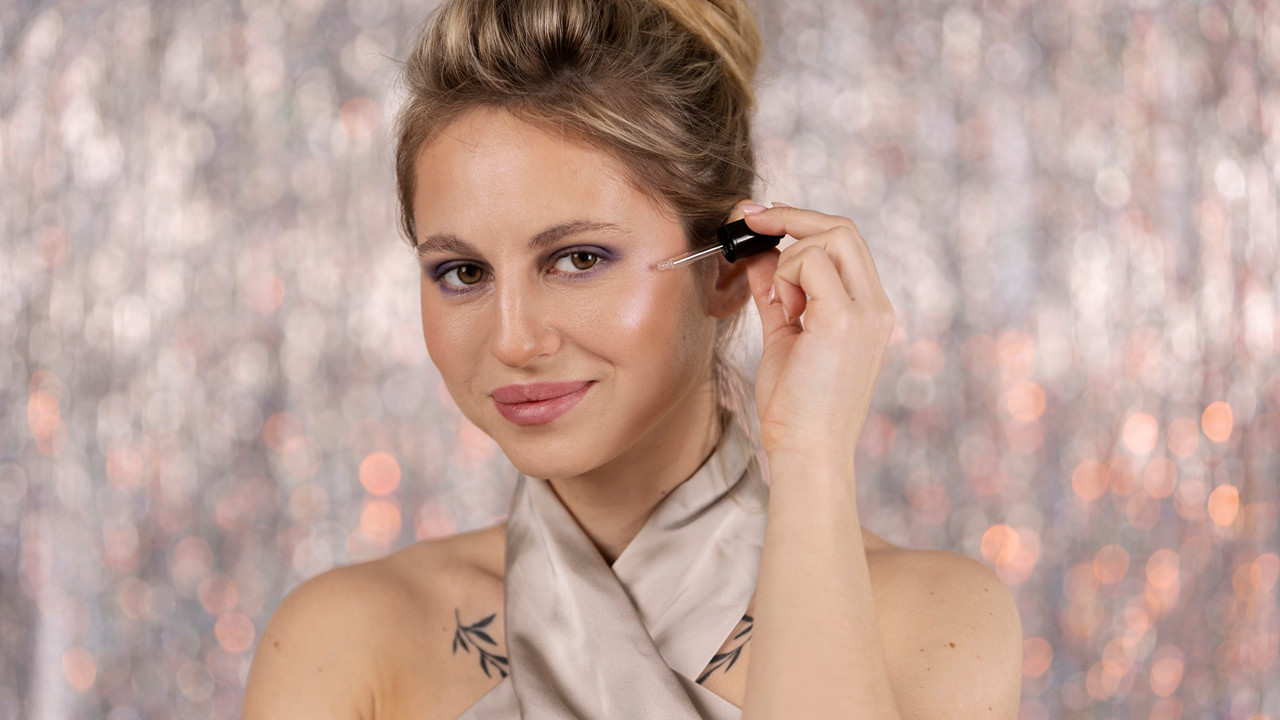
The beauty industry continues to grow every day, and private label skincare serum production is part of this trend. A serum formulated with the right ingredients is vital for increasing customer satisfaction. In this article, we will discuss the best ingredients used in private label skincare serum production and formulation recommendations. In addition, we will examine the safety precautions that should be considered during skincare serum production and how formulations are shaped in line with market demands. We are here to inform you about private label skincare serums.
What Is a Private Label Skincare Serum?
A private label skincare serum is a skincare product that is generally manufactured on behalf of another brand or company and sold under their brand name. These serums are usually formulated with solution-oriented ingredients targeting different skin concerns such as reducing wrinkles, moisturizing, eliminating blemishes, or evening out skin tone.
Private label skincare serums:
Are produced on behalf of another brand or company.
Generally offer solutions for specific skin concerns.
Their formulations can be developed by suppliers specialized in skincare.
These types of serums allow cosmetic manufacturers to reduce costs, offer new products outside their core expertise, and expand their market share. Private label skincare serums can be specially formulated by considering different skin types and needs, thus offering a wide range of skincare solutions. A private label skincare serum can be an important strategic tool for meeting market demands and increasing customer satisfaction. Therefore, selecting the right ingredients and developing high-quality formulations is of great importance.
What Ingredients Should a Skincare Serum Contain?
Knowing the right ingredients when choosing a skincare serum is crucial for the product’s effectiveness. Here are the key ingredients to look for in a private label skincare serum:
Hyaluronic Acid: Helps maintain the skin’s moisture balance and reduce wrinkles. It also adds plumpness to the skin, helping it look youthful and healthy.
Vitamin E: Thanks to its antioxidant properties, it reduces signs of aging and protects the skin from the harmful effects of the sun. It also has moisturizing properties.
Vitamin C: Evens out skin tone, reduces the appearance of blemishes, and promotes collagen production to help firm the skin.
Retinol: Supports skin cell renewal and reduces the appearance of fine lines and wrinkles.
Peptides: Increase collagen production, improve skin elasticity, and reduce signs of aging.
Serums that contain these ingredients together can help keep the skin youthful and healthy. Including these key ingredients in private label skincare serum production is essential to meet user expectations.
What Are the Benefits of Hyaluronic Acid and Vitamin C Serums?
One of the most popular and effective ingredients in private label skincare serum formulations is hyaluronic acid. At the same time, vitamin C serums are also important for supporting skin health. Here are the benefits provided by these two components:
Hyaluronic Acid:
Maintains the skin’s moisture balance and prevents moisture loss.
Helps reduce wrinkles and fine lines.
Gives the skin a plump and youthful appearance.
Helps even out skin tone.
Vitamin C:
Protects the skin against the harmful effects of free radicals thanks to its antioxidant properties.
Helps even out skin tone and reduce blemishes.
Increases collagen production, keeping the skin firm and resilient.
Protects the skin against the harmful effects of the sun.
Hyaluronic acid and vitamin C serums help the skin look youthful, healthy, and radiant. Therefore, it is important to benefit from the effects of these two ingredients when creating private label skincare serum formulations.
How Are the Most Effective Antioxidants Used in Skincare Serums?
The most effective antioxidants for skincare can be included in private label skincare serum formulations to help keep the skin youthful and healthy. Antioxidants fight free radicals, protecting skin cells from external factors and reducing signs of aging. Here is how the most effective antioxidants can be used in skincare serums:
Vitamin C: A high concentration of vitamin C in skincare serums helps reduce blemishes and increase collagen production through its antioxidant effect. It can also protect the skin against UV rays.
Vitamin E: With its moisturizing and nourishing properties, vitamin E protects the skin from free radicals and strengthens the skin barrier.
Green Tea Extract: The antioxidant properties of green tea can be added to skincare serums to support skin renewal and enhance anti-aging effects.
Retinol: Supports skin cell renewal, helps reduce wrinkles, and evens out skin tone.
These antioxidants can be combined in the right proportions and stabilization methods in private label skincare serum formulations to provide the protection and care the skin needs.
What Should Be Considered When Formulating Skincare Serums with Natural Ingredients?
When creating skincare serum formulations, selecting natural ingredients is of great importance. The following points should be considered when producing private label skincare serums:
Ingredients Suitable for Skin Types: Natural ingredients with different effects should be selected for different skin types. Moisturizing oils should be preferred for dry skin, while balancing and pore-cleansing ingredients should be chosen for oily skin.
Avoiding Allergenic Substances: Potential allergens that may cause reactions in individuals with sensitive skin should be avoided. Synthetic fragrances and alcohol derivatives should be excluded.
Effective Antioxidants: Care should be taken to include antioxidant ingredients in the formulation. Antioxidants such as vitamin E, green tea extracts, and rose water protect the skin from free radical damage.
Proper Use of Botanical Actives: Botanical ingredients should be used in correct proportions, considering their absorption and effectiveness on the skin. For example, aloe vera, ginseng, and chamomile help maintain the skin’s natural balance.
Using natural ingredients wisely in private label skincare serum formulations ensures that the product is both effective and safe.
Which Ingredients Should Serums Formulated for Different Skin Types Contain?
Serums specially formulated according to skin type should be enriched with ingredients suitable for each skin type’s needs:
For Dry Skin:
Hyaluronic Acid: Maintains moisture balance and relieves dryness.
Aloe Vera Extracts: Soften, moisturize, and soothe the skin.
Vitamin E: Nourishes, moisturizes, and provides antioxidant benefits.
For Oily Skin:
Salicylic Acid: Regulates sebum production and cleans pores.
Niacinamide: Balances oil levels and reduces shine.
Green Tea Extracts: Soothe oily skin and provide antioxidant protection.
For Sensitive Skin:
Glycolic Acid: Gently renews the skin and provides a mild exfoliating effect suitable for sensitive skin.
Panthenol (Vitamin B5): Soothes, moisturizes, and has healing properties.
Hypoallergenic Formulations: Fragrance-free and alcohol-free serums that do not harm sensitive skin should be preferred.
Formulating skin-type-specific ingredients in the correct proportions increases product effectiveness and user satisfaction.
What Safety Precautions Should Be Taken When Producing Skincare Serums?
When producing skincare serums, taking various precautions is essential to ensure product quality and safety. The following safety measures should be considered in private label skincare serum production:
Good Manufacturing Practices (GMP): Production facilities must comply with GMP standards, with strict attention to hygiene, equipment calibration, and staff training.
Raw Material Quality: Raw materials should be sourced from reliable suppliers to prevent risks associated with counterfeit or low-quality materials.
Formulation Testing: Serum formulations should undergo dermatological testing to ensure skin compatibility and safety.
Production Equipment: Equipment used in production should be regularly sterilized to reduce contamination risks.
Labeling and Packaging: Proper packaging and labeling are critical for consumer safety. Formulation details, usage instructions, and warnings must be clearly stated.
Compliance with GMP standards and the use of high-quality raw materials are vital for product safety and brand reputation.
Who Are the Best Suppliers for Private Label Skincare Serum Production?
Choosing the right supplier is crucial for product quality and reliability in private label skincare serum production. The best suppliers should be evaluated based on the following factors:
Certifications: Suppliers should hold international quality and safety certifications such as GMP and ISO.
Natural and Organic Ingredients: The natural and organic quality of raw materials enhances product value.
R&D and Innovation Capabilities: Suppliers with strong R&D and innovation capabilities can offer cutting-edge formulations.
Production Capacity and Flexibility: Flexible production capacity allows suppliers to respond quickly to demand fluctuations.
The best suppliers excel in ingredient quality, production processes, and reliability, making supplier selection a critical factor in market competitiveness.
How Does the Skincare Serum Product Development Process Work?
The skincare serum product development process consists of several stages, each requiring careful attention. Proper execution of this process plays a key role in producing high-quality and effective products:
Research and Development: Market trends, customer demands, and target audience needs are analyzed.
Formulation Development: Based on research, experts create effective and safe formulations for private label skincare serums.
Testing and Evaluation: Formulations undergo quality control testing to assess safety and effectiveness.
Production and Packaging: Approved formulations are produced and packaged under hygienic conditions.
A quality-focused product development process ensures reliable and effective skincare serums.
How Are Skincare Serum Formulations Shaped by Market Demands?
Skincare serum formulations are shaped according to market demands, consumer expectations, and industry trends. The following factors should be considered:
Targeted Results: Market research determines key concerns such as wrinkle reduction, hydration, or blemish treatment.
Active Ingredients: Effective actives like retinol for anti-aging or niacinamide for tone correction are selected.
Natural and Organic Trends: Increased consumer interest in natural ingredients influences formulation choices.
Fragrance-Free and Hypoallergenic Formulas: Demand for products suitable for sensitive skin continues to grow.
Market-driven formulations help create successful product lines and provide a competitive advantage.
Frequently Asked Questions
What is a private label skincare serum?
A private label skincare serum is a skincare product manufactured by another company on behalf of your brand. These products offer customized formulations and branding options.
How is private label skincare serum production carried out?
Production is performed by a manufacturer or supplier based on your specified formulation and ingredient choices, often including customized packaging and labeling.
How are private label skincare serum ingredients selected?
Ingredients are carefully chosen according to skin needs and desired outcomes, such as moisturizing, anti-aging, brightening, or antioxidant effects.
How are private label skincare serums tested?
They undergo comprehensive testing, including stability, efficacy, safety, and skin compatibility tests, to ensure quality and reliability.


