











Contract Cosmetic Supply Chain: Best Practices
Table of Contents
- What Is the Contract Cosmetic Supply Chain?
- Stages of the Contract Manufacturing Process
- Supply Chain Management
- Quality Control Standards
- Legal and Ethical Considerations
- Logistics and Distribution
- Customer Relationship Management
- Market Research and Trends
- Sustainability and Environmental Impact
- Digital Transformation and Technology Usage
- Financial Management
- Success Stories and Examples
- Frequently Asked Questions
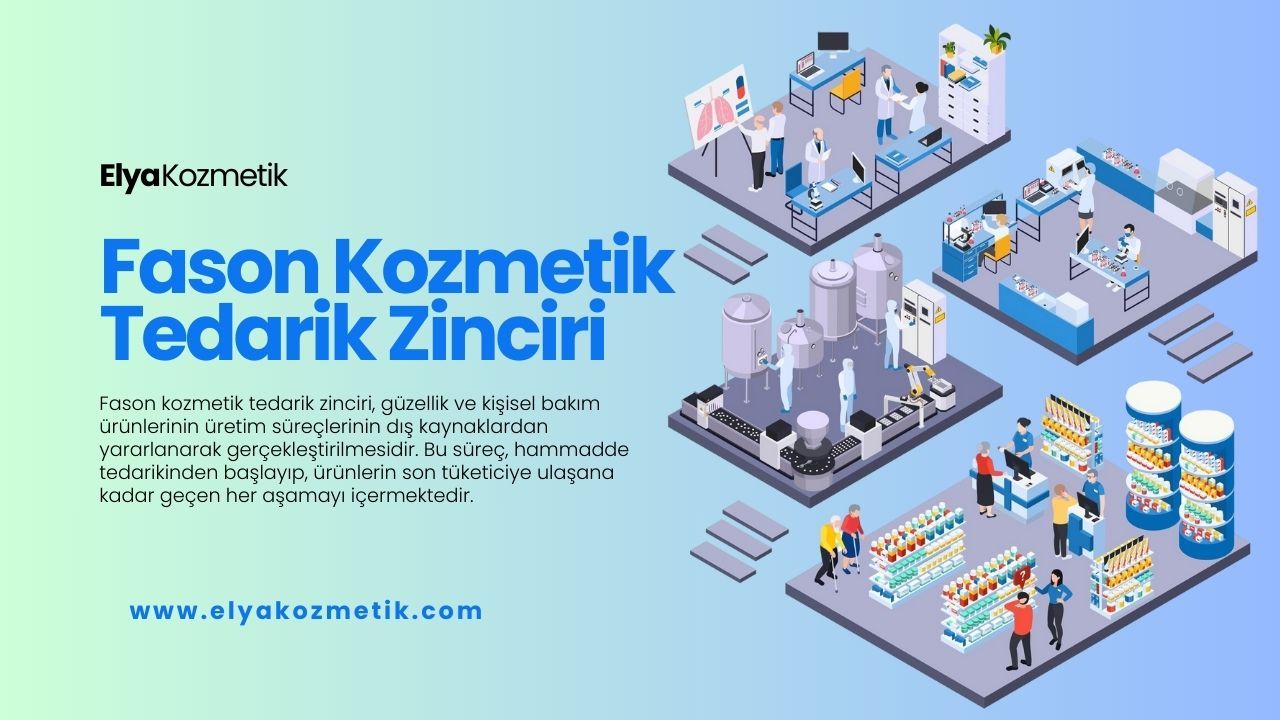
Today, while the cosmetics industry is filled with constantly changing demands and innovative products, the Contract Cosmetic supply chain plays a critical role in this dynamic environment. In this blog post, we will provide a comprehensive overview starting from the stages of the contract manufacturing process to the importance of supply chain management, quality control standards, and legal and ethical considerations. In addition, we will explore best practices within the industry by focusing on topics such as logistics, distribution, customer relationship management, market research, sustainability, and digital transformation. By offering valuable insights to help you gain knowledge in this field, we will take you on an inspiring journey through successful examples and stories.
What Is the Contract Cosmetic Supply Chain?
Definition
The contract cosmetic supply chain refers to the production of beauty and personal care products by utilizing external resources. This process includes every stage starting from raw material procurement to the delivery of products to the end consumer. Contract cosmetic manufacturing enables brands to develop products by collaborating with specialized manufacturers without establishing their own production lines. The main components of the contract cosmetic supply chain are as follows:
Raw Material Procurement: Sourcing the necessary components required for product formulation.
Production: Manufacturing products in accordance with defined quality and standards.
Packaging: Preparing suitable packaging to ensure products reach the end user safely.
Distribution: Managing storage and transportation processes.
History
Contract cosmetic manufacturing began gaining popularity in the mid-20th century. Rising labor costs in industrialized countries encouraged brands to outsource production. Major developments include:
1970s: The first contract cosmetic brands began to emerge.
1980s: Global supply chains started to be established.
1990s: Technological advancements accelerated production processes.
Importance
The contract cosmetic supply chain provides competitive advantages for many brands. Key points highlighting its importance include:
Cost Efficiency: Enables competitive pricing by reducing production costs.
Expertise: Enhances quality by working with specialized manufacturers.
Market Agility: Faster adaptation to rapidly changing market conditions.
Risk Management: Outsourcing production helps distribute operational risks.
Together, these elements make the contract cosmetic supply chain a key structure shaping industry dynamics.
Stages of the Contract Manufacturing Process
The contract manufacturing process is an essential system that enables products to be launched by utilizing external resources. This process generally consists of several stages, each critical for successful production.
Product Design
Product design is the most critical initial stage. During this phase, the product’s appearance, functionality, and market suitability are developed. Key considerations include:
Target Audience Analysis: Identifying the needs of the intended customer group.
Trend Research: Analyzing current market trends and consumer demands.
Prototype Development: Creating sample designs and collecting feedback.
Material Procurement
After completing product design, sourcing high-quality materials is crucial. Key points include:
Supplier Selection: Working with reliable and high-quality material suppliers.
Cost Management: Finding the best materials within budget constraints.
Material Quality: Inspecting the quality of selected materials.
Production Stage
The final stage involves mass production. Important considerations include:
Production Planning: Efficient planning of production lines and workflows.
Quality Control: Conducting regular quality checks during production.
Time Management: Ensuring production is completed on schedule.
| Stage | Description |
|---|---|
| Product Design | Design process combined with target audience and trend analysis |
| Material Procurement | Ensuring quality material sourcing and cost control |
| Production Stage | Mass production process, quality control, and time management |
These stages are vital for a healthy and efficient contract manufacturing process. Meticulous execution directly impacts brand success.
Supply Chain Management
Definition and Scope
Supply chain management aims to coordinate all processes from raw material sourcing to final delivery to the consumer. It includes production, distribution, logistics, and customer relations. In the contract cosmetic supply chain, effective management plays a critical role in improving quality while reducing costs.
Key Functions
Planning: Determining production quantities through demand forecasting.
Sourcing: Ensuring raw materials are obtained from reliable and high-quality suppliers.
Production Management: Optimizing production processes to increase efficiency.
Distribution: Delivering products to the right locations on time.
Logistics: Managing transportation and warehousing effectively.
Management Strategies
Integrated Approach: Ensuring alignment across all supply chain stages.
Use of Data Analytics: Identifying disruptions through real-time data analysis.
Risk Management: Preparing for potential supply interruptions in advance.
“The key to success in contract cosmetic manufacturing is ensuring transparency and interaction at every stage of the supply chain.”
Quality Control Standards
Importance of Standards
Quality control standards are among the most critical elements in contract cosmetic manufacturing. They ensure product safety, enhance competitiveness, and contribute to:
Customer Satisfaction: High-quality products build customer loyalty.
Brand Image: Effective quality control increases brand reliability.
Legal Compliance: Adherence to standards fulfills regulatory requirements.
Implementation Methods
Raw Material Inspection: Verifying compliance of incoming materials.
In-Process Control: Detecting errors early through real-time checks.
Final Product Testing: Conducting laboratory tests on finished products.
Audit Processes
| Audit Type | Purpose | Frequency |
|---|---|---|
| Internal Audits | Evaluating internal processes | At least twice a year |
| External Audits | Independent inspection by authorities | Once a year |
| Continuous Monitoring | Ongoing production oversight | Continuous |
These methods support both quality assurance and brand success.
Legal and Ethical Considerations
Legal Regulations
The legal dimension of the contract cosmetic supply chain includes regulations related to product safety, labeling, environmental impact, and labor rights. Companies must comply with both local and international standards.
| Regulation | Description |
|---|---|
| Cosmetic Products Regulation | Safety and labeling requirements |
| EU Directives | Rules for selling products in the EU market |
| Occupational Health and Safety | Ensuring employee safety |
Ethical Principles
Ethical considerations include fair labor practices, preventing child labor, minimizing environmental impact, and using sustainable materials.
Fairness: Ensuring fair wages for suppliers and employees.
Transparency: Clear disclosure of production processes and material sources.
Sustainability: Use of eco-friendly materials and waste management.
Challenges in Practice
Legal inconsistencies across countries
Difficulty in auditing ethical compliance
Additional costs of sustainable practices
Logistics and Distribution
Logistics Management
Effective logistics management covers all stages from production to delivery:
Supplier Relations: Reliable partnerships ensure smooth material flow.
Inventory Management: Maintaining optimal stock levels.
Warehousing: Safe and organized storage to improve efficiency.
Distribution Networks
Centralized Distribution: Cost and time savings from a single location.
Regional Distribution: Local warehouses reduce transportation costs.
Interactive Systems: Real-time tracking through technology.
Efficiency Improvement
Automation: Reduces labor and error rates.
Data Analysis: Identifies areas for improvement.
Cost Control: Minimizing transportation and storage costs.
Customer Relationship Management
Customer relationship management encompasses strategies designed to optimize interactions with customers and strengthen brand loyalty.
Customer Satisfaction
Product Quality
Service Quality
Pricing Strategies
Feedback Processes
Surveys and research
Social media monitoring
Direct communication
Loyalty Programs
| Application Area | Description |
|---|---|
| Customer Satisfaction | Product and service quality |
| Feedback Processes | Surveys, social media, direct contact |
| Loyalty Programs | Rewards, discounts, memberships |
Market Research and Trends
Market Analysis
Target audience demographics
Consumer purchasing behavior
Market size and growth potential
Emerging Trends
Natural and organic products
Personalized cosmetics
Digitalization and e-commerce growth
Competitive Analysis
| Competitive Factors | Description |
|---|---|
| Identifying Competitors | Who holds market share? |
| Product Differentiation | How do you stand out? |
| Pricing Strategies | How are prices evaluated? |
Sustainability and Environmental Impact
Sustainable Practices
Natural material selection
Waste management
Energy efficiency
Environmental Impact Assessment
Carbon footprint analysis
Water consumption monitoring
Biodiversity improvement projects
Future Perspectives
“Sustainability is no longer a choice, but a necessity.”
| Future Trends | Description |
|---|---|
| Circular Economy | Promoting reuse and recycling |
| Smart Manufacturing | IoT and AI integration |
| Consumer Awareness | Increased environmental consciousness |
Digital Transformation and Technology Usage
New Technologies
Artificial Intelligence
Blockchain
Internet of Things (IoT)
Digital Tools
| Tools | Description |
|---|---|
| CRM Systems | Optimize customer management |
| ERP Software | Improve operational efficiency |
| Analytics Tools | Enable strategic decision-making |
E-commerce Opportunities
Online stores
Mobile applications
Social media sales
Financial Management
Cost Analysis
Material costs
Labor costs
Operational expenses
Budgeting
Goal setting
Revenue forecasting
Expense management
Investment Strategies
| Elements | Descriptions |
|---|---|
| Cost Analysis | Detailed expense review |
| Budgeting | Balancing income and expenses |
| Investment Strategies | Evaluating innovative opportunities |
Success Stories and Examples
Successful Brands
Brand A: Minimalist design and natural ingredients
Brand B: Strong social media presence
Brand C: Sustainable materials and eco-friendly image
Gains from Contract Manufacturing
| Factors | Advantages | Results |
|---|---|---|
| Cost Advantage | Reduced production costs | Increased profitability |
| Flexibility | Faster product launch | Rapid response to demand |
| Expertise | Specialized suppliers | High-quality products |
Practical Examples
Market analysis
Strategic partnerships
Technology utilization
Frequently Asked Questions
What is the contract cosmetic supply chain?
It involves outsourcing the production process after product design, covering raw material sourcing, manufacturing, quality control, packaging, and distribution.
What should be considered in contract cosmetic manufacturing?
High-quality raw materials, hygiene standards, reliable manufacturers, transparency, and traceability.
What are best practices in contract cosmetic manufacturing?
Strong communication, detailed planning, supplier evaluation, strict quality control, sustainability, and feedback mechanisms.
How can I optimize the contract cosmetic supply chain?
Strengthen supplier relationships, improve forecasting, implement automation, use data analytics, and regularly evaluate performance.
What documents are required for contract cosmetic manufacturing?
Contracts, quality control documents, raw material test reports, compliance certificates, safety assessments, and health certifications.


