










Contract Cosmetics: Quality and Cost Analysis
Table of Contents
- What Is Contract Cosmetics?
- Contract Cosmetics Production Process
- Contract Cosmetics and Brand Image
- Contract Cosmetics Analysis: Quality Criteria
- Cost Analysis and Contract Cosmetics
- Advantages of Contract Cosmetic Products
- Disadvantages of Contract Cosmetics
- Trends in the Contract Cosmetics Sector
- Legal Regulations and Contract Cosmetics
- Tools for Contract Cosmetics Analysis
- The Future of Contract Cosmetics
- Frequently Asked Questions
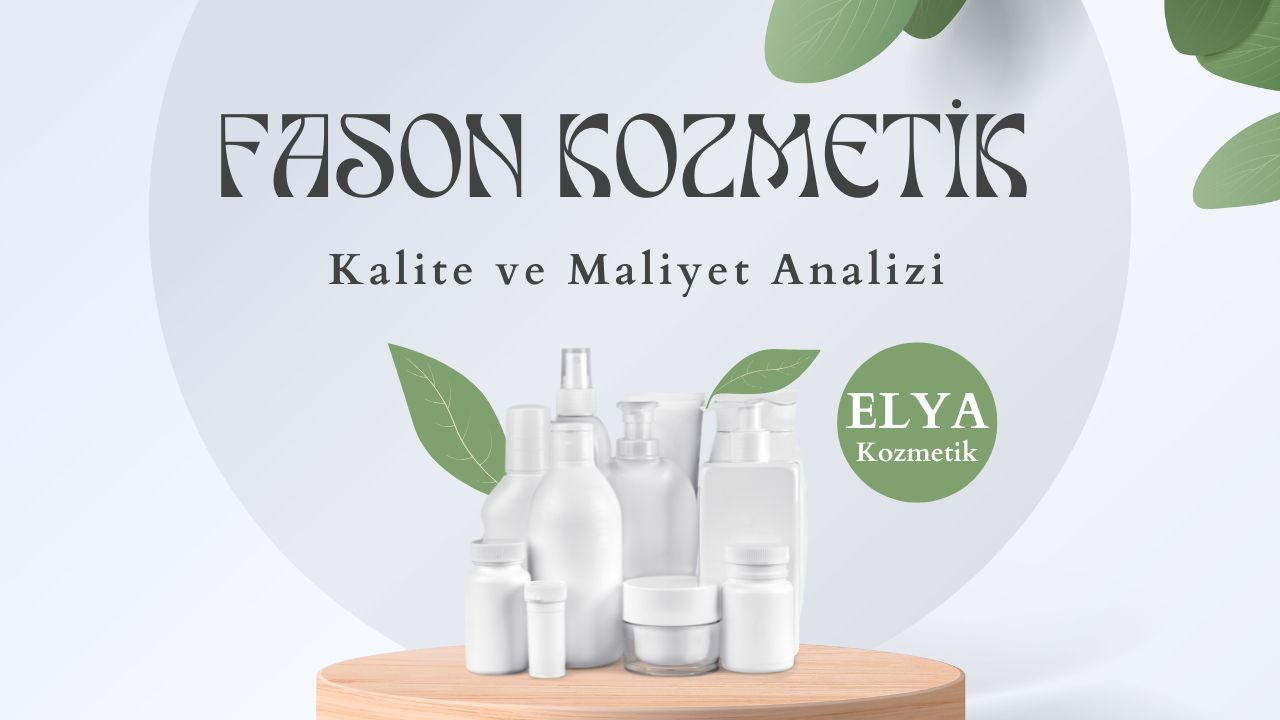
Contract cosmetics has become a prominent concept in the beauty industry in recent years. In this article, we will cover many topics starting from what contract cosmetics is, to the production process, brand image, and important criteria such as quality. In addition, we will analyze costs and examine the advantages and disadvantages of contract cosmetic products. We will also provide a comprehensive perspective on current trends and legal regulations. By evaluating all these elements, we will make predictions about how future developments in this field may take shape through Contract Cosmetics Analysis. Get ready for new insights and in-depth analysis!
What Is Contract Cosmetics?
Definition
Contract cosmetic production is a process in which brands have products manufactured by third parties under their own brand names. This production is generally carried out through formulation and product development services provided by other companies. In this way, brands can implement their own designs, packaging, and marketing strategies while minimizing production-related costs.
History
Contract cosmetic practices date back to the mid-20th century. During that period, entrepreneurs turned to outsourcing in order to increase production capacity and reduce costs. Initially used only by large brands, this method has now become widespread among small and medium-sized enterprises. With globalization, these processes have also gained momentum on an international scale.
Market Size
The contract cosmetics market is experiencing rapid growth. The table below presents some key data illustrating this growth:
| Year | Market Size (Billion $) | Growth Rate (%) |
|---|---|---|
| 2020 | 30 | 5 |
| 2021 | 35 | 16 |
| 2022 | 40 | 14 |
| 2023 (Estimated) | 45 | 12 |
These figures demonstrate the growth potential of the contract cosmetics market and the dynamic changes within the industry. In particular, increasing demand for sustainable and eco-friendly products further accelerates this growth. Contract Cosmetics Analysis is critical for understanding developments in this sector.
Contract Cosmetics Production Process
Contract cosmetics covers an outsourced production process that enables brands to create their own products. This process consists of several stages, each of which is crucial to ensuring product quality.
Raw Materials
The production process begins with the selection of high-quality raw materials. The types and properties of these materials directly affect the final product quality. Key considerations include:
Natural and Chemical Ingredients: Natural ingredients are skin-friendly, while chemical ingredients offer cost advantages.
Supplier Selection: Sourcing raw materials from reliable and certified suppliers improves quality.
Testing: Pre-production testing of raw materials minimizes potential risks.
Production Stages
The production process consists of the following stages:
| Stage | Description |
|---|---|
| Formulation | Determination and development of the product formula |
| Mixing | Mixing raw materials according to the defined formula |
| Packaging | Packaging products using appropriate materials |
| Labeling | Labeling product information and ingredients |
Ensuring quality and safety standards at every stage is essential.
Quality Control
Quality control is the most critical part of the contract cosmetics production process. Common methods include:
Initial Sample Inspection: Analysis of the first samples to detect potential errors.
In-Process Inspections: Regular checks during production to prevent defects.
Final Product Inspection: Thorough evaluation of final products for compliance with quality certifications.
These stages are key components of Contract Cosmetics Analysis and help brands enhance customer satisfaction.
Contract Cosmetics and Brand Image
When managed correctly, contract cosmetics can strengthen brand image. However, this process requires careful planning and strategic execution.
Brand Creation Strategies
Key strategies include:
Target Audience Identification: Clearly defining the target audience enables effective positioning.
Differentiating Elements: Creating unique features through design, content, and packaging.
Storytelling: Developing a brand story helps consumers form emotional connections.
Consumer Perception
Consumer perception plays a vital role in brand success. Contract Cosmetics Analysis should consider:
Quality Impression: Consumers evaluate quality based on the production process. High-quality contract production positively affects perception.
Reliability: Manufacturer history and references are critical for building trust.
Competitive Analysis
Competitive analysis compares brands within the sector:
| Feature | Contract Cosmetics | Other Brands |
|---|---|---|
| Production Process | Fast and flexible | Longer processes |
| Cost | Lower cost | Higher cost |
| Quality Control | Outsourced | In-house |
Analyzing competition helps brands identify opportunities and highlight unique attributes.
Contract Cosmetics Analysis: Quality Criteria
Various criteria must be considered when evaluating contract cosmetic product quality. These criteria are crucial for consumer satisfaction and brand reputation.
Standards
Contract cosmetic products must comply with specific standards:
| Standard | Description |
|---|---|
| ISO 22716 | Good Manufacturing Practices for cosmetics |
| GMP | Good Manufacturing Practices, quality control |
| FDA Approval | Ensures cosmetic safety in the USA |
Testing Processes
Critical testing processes include:
Microbiological Tests: Resistance to bacteria, fungi, and viruses.
Stability Tests: Shelf life and consistency over time.
Dermatological Tests: Assessment of irritation or allergic reactions.
Certification
Certification confirms compliance with quality standards:
Leaping Bunny: Indicates no animal testing.
Halal Certification: Ensures compliance with Islamic rules.
Ecocert: Approves natural and organic ingredients.
These criteria help evaluate contract cosmetics in terms of safety and effectiveness, strengthening brand credibility.
Cost Analysis and Contract Cosmetics
Contract cosmetics production offers cost advantages, but multiple factors must be considered during analysis.
Production Cost
Key cost components include:
| Factor | Description |
|---|---|
| Material Cost | Price of raw materials |
| Labor Cost | Workforce expenses |
| Production Capacity | Higher volume reduces unit cost |
| Technology Use | Increases efficiency |
Distribution and Logistics Costs
Distribution and logistics significantly affect total costs:
Storage Costs: Warehousing expenses.
Transportation Fees: Costs of delivering products.
Packaging Expenses: Protection and presentation costs.
Pricing Strategies
Effective pricing strategies include:
Cost-Plus Pricing: Adding a profit margin to costs.
Market Pricing: Pricing based on competitors.
Value-Based Pricing: Pricing based on perceived value.
These factors are critical in Contract Cosmetics Analysis to achieve cost efficiency and competitive advantage.
Advantages of Contract Cosmetic Products
Contract cosmetics offers numerous benefits for both new and established brands:
Customizability
Formula Options: Selection of desired active ingredients.
Packaging Design: Brand-specific packaging.
Labeling: Target-oriented label design.
Cost Efficiency
Economies of Scale: Lower costs with higher production volume.
Lower Operating Expenses: Reduced investment in machinery and labor.
Fast Market Entry
Short Production Times: Accelerated by expert manufacturers.
Reduced R&D Time: Use of pre-developed formulas.
Disadvantages of Contract Cosmetics
Despite advantages, there are notable drawbacks:
Quality Issues
Low standards and inadequate quality control.
Questionable raw material quality.
Brand Independence
Lack of brand recognition.
Low differentiation due to similar products.
Long-Term Risks
Supplier dependency.
Potential reputation damage.
| Disadvantages | Description |
|---|---|
| Quality Issues | Low standards and material risks |
| Brand Independence | Lack of recognition and differentiation |
| Long-Term Risks | Supplier dependency and reputation loss |
Trends in the Contract Cosmetics Sector
Sustainability
Natural and organic materials
Energy efficiency
Sustainable packaging
Digital Marketing
Influencer collaborations
E-commerce integration
Targeted advertising
Consumer Demands
Transparency
Personalization
Rapid innovation
| Trend | Description |
|---|---|
| Sustainability | Eco-friendly materials and processes |
| Digital Marketing | Online strategies and social media |
| Consumer Demands | Transparency and personalization |
Legal Regulations and Contract Cosmetics
Legal Framework
Key regulations include:
Turkish Food Codex
EU Cosmetics Regulation (EC) No 1223/2009
Cosmetics Regulation (labeling, safety testing)
Product Safety
Ingredient analysis
Testing and certification
Isolation and Protection
Hygienic production environments
Durable and transparent packaging
Compliance enhances both safety and brand reputation.
Tools for Contract Cosmetics Analysis
Market Research Tools
Surveys and online forms
Focus groups
Competitive analysis tools (SEMrush, Ahrefs)
Analysis Methodologies
SWOT Analysis
PESTEL Analysis
Porter’s Five Forces
Data Collection Techniques
Competitive benchmarking
Social media and web analytics
Sales data analysis
The Future of Contract Cosmetics
Goals
Improving quality standards
Expanding inclusive product ranges
Increasing social responsibility
Technological Developments
| Technology | Impact |
|---|---|
| Automation | Faster production, fewer errors |
| Data Analytics | Better consumer insights |
| Eco-Friendly Materials | Stronger brand image |
Global Market Dynamics
Emerging markets
Growth of e-commerce
Rising consumer awareness
Future success will depend on flexibility, innovation, and awareness of these trends through Contract Cosmetics Analysis.
Frequently Asked Questions
What is contract cosmetics?
Contract cosmetics refers to cosmetic products manufactured by another company to be sold under a brand’s own name.
How is quality determined?
By ingredient quality, production processes, testing stages, and certifications.
What are the cost advantages?
Lower initial investment, economies of scale, and higher profit margins.
How is branding done?
Through unique brand identity, packaging, marketing strategies, and promotional channels.
Why is demand increasing?
Due to cost efficiency, flexibility, lower risk for entrepreneurs, and growing demand for personalized products.


