











Contract Shampoo Manufacturing Guide
Table of Contents
- Raw Material Selection
- Contract Shampoo Manufacturing Process
- Quality Control Steps
- Packaging and Packing
- Marketing Strategies for Contract Shampoo Manufacturing
- Contract Shampoo Manufacturing Costs
- Sustainability Measures in Contract Shampoo Manufacturing
- Customer Satisfaction and Feedback Management
- Legal Regulations for Contract Shampoo Manufacturing
- Contract Shampoo Manufacturing Trends and Future Expectations
- Frequently Asked Questions
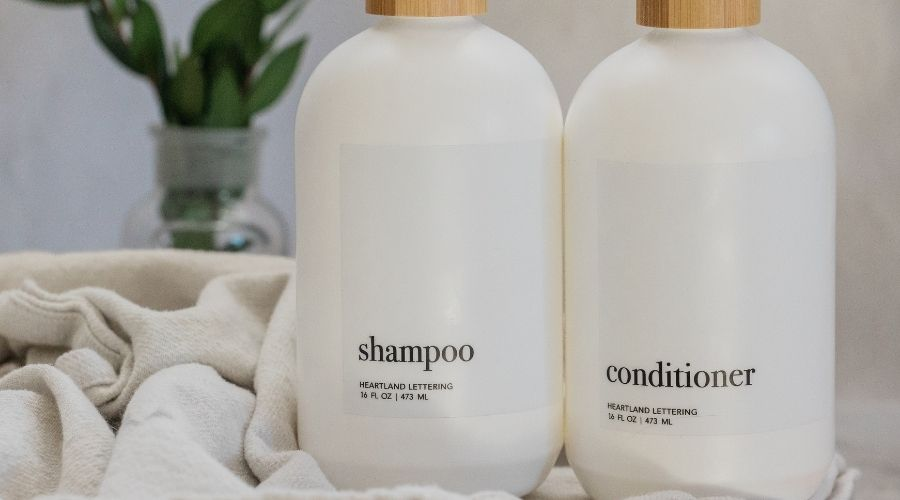
In our step-by-step guide on “Contract Shampoo Manufacturing,” we cover every detail from raw material selection to the production process, quality control steps, packaging and packing, marketing strategies, and production costs. We also examine topics such as sustainability measures, customer satisfaction, legal regulations, and future expectations in the industry. This guide will contribute to the success of your business by establishing a solid foundation in contract shampoo manufacturing.
Raw Material Selection
One of the most important steps in the contract shampoo manufacturing process is raw material selection. There are several key factors to consider when choosing raw materials for contract shampoo production. When selecting raw materials, the following points should be taken into account:
Quality: The quality of the raw materials used in contract shampoo manufacturing directly affects the quality of the final product. Therefore, selecting high-quality raw materials can significantly improve product quality.
Natural and Organic Ingredients: Today’s consumers tend to prefer natural and organic products. For this reason, choosing raw materials with natural and organic ingredients can increase customer satisfaction.
Fragrance and Color Selection: It is important that the fragrances and colors used in contract shampoo manufacturing appeal to consumers. Selecting trend-appropriate fragrances and colors can increase product preference.
Raw material selection for contract shampoo manufacturing should be carried out meticulously by considering product quality, naturalness, and consumer expectations. This step is critical for successful contract shampoo production.
Contract Shampoo Manufacturing Process
Contract shampoo manufacturing requires a complex and meticulous process. Since raw material selection affects the quality of the mixtures, it must be carried out carefully. The contract shampoo manufacturing process includes the following steps:
Mixture Preparation: Main ingredients are carefully measured and mixed.
Heat Treatment: The mixture is processed at the correct temperature and duration.
Adding Fragrance and Color: The shampoo’s fragrance and color are determined and added.
Molding and Filling: The shampoo is filled into suitable molds and shaped.
Product Inspection: Products are inspected for compliance with quality standards.
This process requires expertise in Contract Shampoo Manufacturing, and it must be applied carefully to obtain high-quality products. At this stage, the experience and technological infrastructure of the partner company are of great importance.
Quality Control Steps
Quality control in contract shampoo manufacturing is extremely important to ensure that the product meets customer expectations. Quality control steps should be meticulously applied at every stage of the production process. You can implement quality control in contract shampoo manufacturing as follows:
Raw Material Quality Control:
To obtain a good product, it is important to determine the quality of raw materials. By collaborating with suppliers, you can source high-quality materials.
In-Process Control:
During production, establish inspection mechanisms at every step to monitor product quality and prevent defective products.
Laboratory Testing:
By conducting laboratory tests at regular intervals during the contract shampoo manufacturing process, analyze product quality and ensure compliance with standards.
By carefully applying quality control steps, you can achieve high-quality contract shampoo production that meets customer expectations and confidently introduce your product to the market.
Packaging and Packing
Packaging and packing are crucial stages in the contract shampoo manufacturing process. Care must be taken to preserve product quality and ensure it reaches consumers safely. Key points to consider include:
Selecting the Right Packaging Material:
Choosing packaging materials that maintain product stability and extend shelf life is essential.
Visual and Aesthetic Elements:
Contract shampoo products should attract consumer attention and be easy to use. Therefore, packaging design should include strong visual and aesthetic elements.
Eco-Friendly Packaging:
Considering consumers’ interest in environmentally friendly products, recyclable and eco-friendly packaging options should be evaluated.
Proper attention to packaging and packing affects how the product reaches consumers and overall customer satisfaction.
Marketing Strategies for Contract Shampoo Manufacturing
A successful marketing strategy is essential to introduce your product to the target audience. Effective marketing strategies include:
Identify Your Target Audience:
Clearly define the age group, gender, or hair type your shampoo addresses.
Brand Building:
Create a strong brand by highlighting unique features such as quality ingredients, special formulas, or natural components.
Online and Offline Marketing:
Establish a strong digital presence while also implementing offline strategies through stores, supermarkets, or hair salons.
Focus on Customer Experience:
Engage with customers, listen to feedback, and improve products according to their needs.
Successful marketing strategies will differentiate your product from competitors and help you reach your target audience.
Contract Shampoo Manufacturing Costs
Production costs are an important factor that influences business decisions. These costs include:
Raw Material Costs:
Usually the largest expense, varying based on active ingredients, fragrances, and additives.
Production Process Costs:
Includes facility operation, labor, energy consumption, and equipment expenses.
Packaging Costs:
Packaging materials, design quality, and supplier costs should also be considered.
To reduce costs, review supplier agreements and implement efficiency-enhancing measures. Selecting cost-effective yet high-quality raw materials and improving processes can optimize costs and enable competitive pricing.
Sustainability Measures in Contract Shampoo Manufacturing
Adopting sustainability principles is essential for an environmentally responsible approach. Sustainability measures may include:
Eco-Friendly Raw Materials:
Using recyclable and environmentally friendly materials to minimize environmental impact.
Energy Efficiency:
Ensuring efficient energy use in production facilities.
Waste Management:
Establishing effective waste recycling and disposal programs.
Social Responsibility Projects:
Supporting initiatives that increase environmental awareness and contribute to society.
Sustainability measures not only create an eco-friendly brand image but also increase customer satisfaction among environmentally conscious consumers.
Customer Satisfaction and Feedback Management
Customer satisfaction and feedback management are critical in contract shampoo manufacturing. They help build loyalty and strengthen brand reputation while providing valuable insights for improvement.
Customer Satisfaction and Feedback Strategies
Surveys and Feedback Forms: Collect customer opinions through surveys and online forms.
Social Media Monitoring: Track and respond to feedback and complaints on social platforms.
Customer Support Line: Provide effective customer support to resolve issues quickly.
Product Improvement: Continuously improve products based on customer feedback.
Table: Examples of Customer Satisfaction and Feedback Management
| Strategy | Example |
|---|---|
| Surveys and Feedback Forms | Conducting surveys to gather user dissatisfaction |
| Social Media Monitoring | Responding quickly to complaints and comments |
| Customer Support Line | Increasing satisfaction by resolving issues quickly |
| Product Improvement | Enhancing products based on feedback data |
Effective feedback management is a key component of building a successful brand and ensuring long-term success.
Legal Regulations for Contract Shampoo Manufacturing
Compliance with legal regulations is essential in the contract shampoo manufacturing process. These regulations cover product quality, safety, and consumer presentation. Key considerations include:
Product Labeling:
Labels must clearly list ingredients and usage instructions in accordance with consumer protection laws.
Occupational Health and Safety Standards:
Workplace safety regulations must be followed to protect employee health.
Environmental Regulations:
Eco-friendly practices and waste control must comply with environmental regulations.
Full compliance ensures smooth production, increases marketability, and builds consumer trust.
Contract Shampoo Manufacturing Trends and Future Expectations
The contract shampoo manufacturing industry is continuously evolving. Key trends and future expectations include:
Rising Demand for Natural and Organic Products:
Health- and environment-conscious consumers are increasing demand for natural and organic shampoos.
Zero Waste and Circular Economy:
Eco-friendly, sustainable production models are gaining importance.
Personalized Products:
Customized shampoos tailored to individual needs may become a major trend, requiring flexible production processes.
Following these trends and updating production processes accordingly will help strengthen your position in the industry.
Frequently Asked Questions
How is contract shampoo manufacturing done?
First, a production agreement is established. Then, the shampoo formulation is defined, raw materials are sourced, production is carried out through a facility or partner, and finally, packaging and storage are arranged.
How long does contract shampoo manufacturing take?
The duration depends on production volume, complexity, and partner capacity. It usually takes from a few weeks to several months.
What are the costs of contract shampoo manufacturing?
Costs include formulation, production, packaging, storage, and transportation, and vary based on materials and scale.
Which quality standards should I meet?
Compliance with GMP (Good Manufacturing Practices), ISO 9001, and relevant industry standards is required, along with the quality standards of your production partner.


