











Cost Analysis and Strategies for Contract Cosmetic Manufacturers
Table of Contents
- The Importance of Cost Analysis in the Cosmetics Industry
- Core Cost Items
- Cost Analysis Methods
- Cost Control in Cosmetic Production Processes
- Strategic Planning and Budgeting
- Strategies for Gaining Competitive Advantage
- Digital Transformation and Cost Impacts
- Supply Chain Management
- The Relationship Between Cosmetic Product Development and Cost
- Sustainability and Cost Analysis
- Frequently Asked Questions
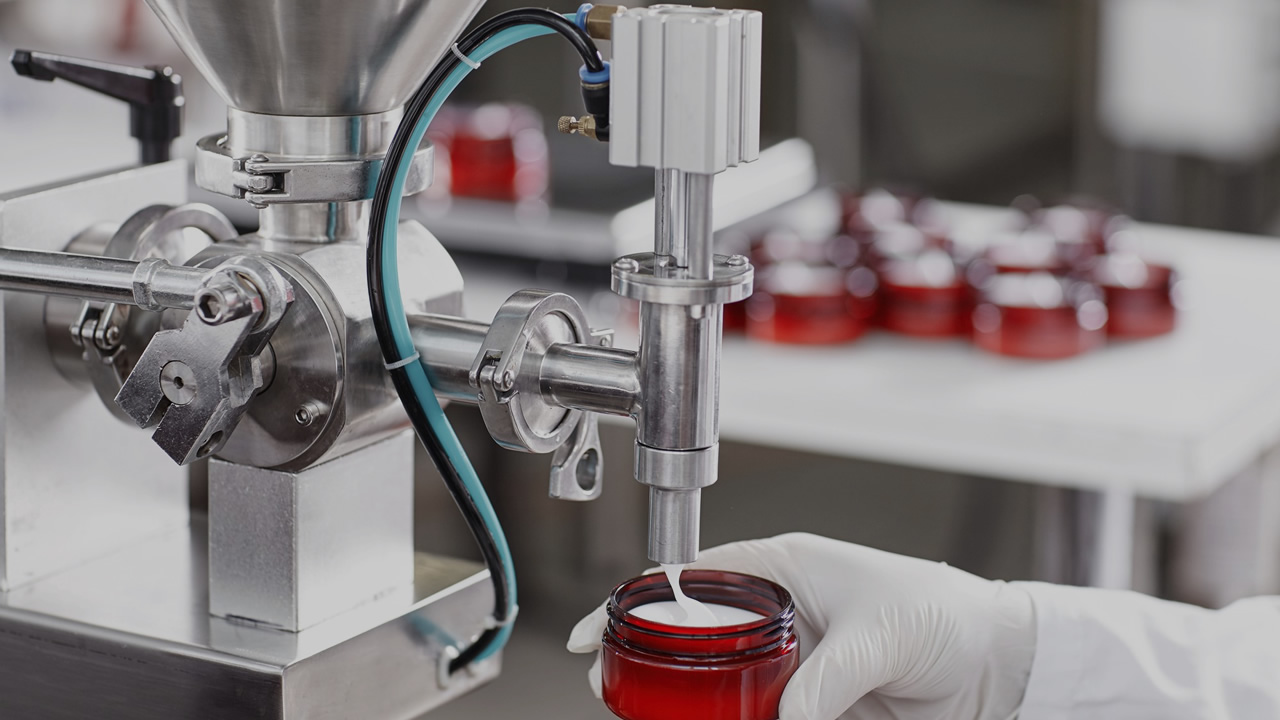
The cosmetics industry is a highly competitive sector shaped by constantly changing consumer demands and market dynamics. For this reason, cost analysis for Contract Cosmetic Manufacturers not only increases profitability but also forms a fundamental component of strategic decision-making. In this blog post, we will provide an in-depth overview starting from the importance of cost analysis to cost items, control methods, and strategic planning. In addition, by addressing modern challenges such as digital transformation, supply chain management, and sustainability, we will explore how cost management creates a competitive advantage.
The Importance of Cost Analysis in the Cosmetics Industry
What Is Cost Analysis?
Cost analysis is a systematic process applied to identify and evaluate cost elements in the production process of a product or service. This process includes the following stages:
Identification of cost elements: Raw materials, labor, overhead expenses.
Cost calculation: Determination of direct and indirect costs.
Analysis and reporting: Evaluation of the impact of costs.
Why Is It Important in the Cosmetics Sector?
Cost analysis is critical in the cosmetics industry for the following reasons:
Competitiveness: Lower costs help offer products at competitive prices.
Increasing Profit Margins: Cost control supports achieving targeted profit margins.
Resource Management: Ensures more efficient use of resources such as raw materials and labor.
Strategic Decisions: Enables data-driven decisions for process improvement and innovation.
| Reasons | Description |
|---|---|
| Competitiveness | Creating competitive pricing policies |
| Profit Margins | Supporting the achievement of targets |
| Resource Management | Increasing efficiency |
| Strategic Decisions | Providing goal-oriented data |
These elements are essential for cosmetic manufacturers to make more informed and effective cost-related decisions.
Core Cost Items
For contract cosmetic manufacturers, cost analysis is of great importance in increasing profitability and remaining competitive. Key cost items should be carefully examined throughout production, marketing, and distribution processes.
Production Costs
Raw Material Costs: Costs of basic materials used in production processes.
Labor Costs: Salaries and social security expenses of production personnel.
Energy and Maintenance Costs: Energy consumption of production facilities and equipment maintenance.
| Cost Item | Description | Example |
|---|---|---|
| Raw Material Costs | Basic material expenses | Chemicals, packaging |
| Labor Costs | Employee salaries | Female production workers |
| Energy Costs | Electricity and water expenses | Factory energy consumption |
Marketing Costs
Advertising Expenses: Costs incurred for product promotion.
Market Research: Analysis and research targeting new customer segments.
Distribution Costs
Logistics Expenses: Costs required for storage and transportation of products.
Sales Channel Costs: Commissions paid for wholesale and retail sales.
By analyzing these core cost items, cosmetic manufacturers can ensure cost control and manage their budgets more effectively.
Cost Analysis Methods
Cost analysis is a critical process for cosmetic manufacturers. Below are effective cost analysis methods:
Direct Costing
Definition: Identification of costs directly related to production.
Advantages:
Provides fast and easy cost calculation.
Determines direct product costs.
Cost Allocation
Definition: Allocation of overhead costs used in production processes to product costs.
Methods:
Cost Driver Method: Allocation based on predefined cost drivers.
Activity-Based Allocation: Costs determined according to active participation in the production process.
Profit/Loss Analysis
Definition: Determination of net profit or loss by comparing revenues and expenses.
Key Points:
Analyzes revenue items and cost variables.
Enables strategic decisions to increase profitability.
These methods help cosmetic businesses better understand and control their cost structures.
Cost Control in Cosmetic Production Processes
Cost control in contract cosmetic production processes is a critical factor in increasing company profitability. Some key considerations in this process include:
Efficiency Improvement Methods
Use of Automation: Saves time and labor by automating repetitive tasks.
Standardization: Improves quality and reduces costs by establishing production standards.
Waste Management
Waste Analysis: Monitoring waste generated during production prevents unnecessary costs.
Recycling: Recovering used materials benefits both the environment and the budget.
Workforce Management
Training Programs: Enhancing employee skills increases production efficiency.
Cross-Training: Employees trained in multiple areas create workforce flexibility.
| Criteria | Description |
|---|---|
| Efficiency | Accelerating processes |
| Waste Management | Potential to reduce costs |
| Workforce | Employee efficiency and motivation |
With these strategies, cost control can become more effective, enabling the creation of a sustainable business model.
Strategic Planning and Budgeting
Strategic planning and budgeting are at the core of financial management in the cosmetics industry. This process is critical for efficient resource use and sustainable growth. Key points include:
Short-Term Budgeting
Sales forecasts for relevant products.
Target market analyses.
Promotion and marketing expenses.
Production costs and cash flow management.
Long-Term Investments
Research and development budgets.
New product development processes.
Equipment and technological investments.
Analysis of long-term market trends.
Risk Management
Preparation for market fluctuations.
Supply chain risk analysis.
Evaluation of competitive threats.
Creation of contingency budgets.
These strategic planning and budgeting stages enable cosmetic manufacturers to ensure financial sustainability and increase market share.
Strategies for Gaining Competitive Advantage
To succeed in a highly competitive cosmetics industry, effective strategies must be defined. Some of these strategies include:
Differentiation Strategies
Product Innovation: Developing new and unique formulations.
Packaging Design: Using attractive and eco-friendly materials.
Brand Story: Creating a compelling brand story that builds emotional connections with consumers.
Cost Leadership
Efficiency: Reducing costs by optimizing production processes.
Supplier Relationships: Establishing long-term agreements with suppliers offering affordable and high-quality materials.
Bulk Purchasing: Gaining advantages through bulk raw material purchases.
Market Research
Consumer Analysis: Examining demographic data to identify products suitable for the target audience.
Trend Analysis: Developing trend-aligned products by monitoring industry innovations.
Competitor Analysis: Identifying competitive advantages by analyzing competitor strategies.
These strategies help cosmetic manufacturers gain greater visibility and achieve competitive advantage in the market.
Digital Transformation and Cost Impacts
Digital transformation is a major factor influencing costs in cosmetic production. This process fundamentally changes business operations and creates cost-saving opportunities.
The Role of E-Commerce
Global Market Access: Reaching customers worldwide through e-commerce.
Lower Operating Costs: Reduced physical store expenses.
Use of Data Analytics
| Advantages | Description |
|---|---|
| Target Audience Analysis | Customer behaviors can be analyzed |
| Forecasting Capabilities | Sales trends can be predicted in advance |
Digital Marketing Strategies
Targeted Advertising: Reaching the target audience at lower cost.
Use of Social Media: Increases engagement and brand awareness.
Digital transformation offers cosmetic manufacturers opportunities to control costs and enhance competitiveness.
Supply Chain Management
Supply chain management is critical in the cosmetics industry for cost control and product quality assurance. With the right strategies, efficiency can be increased and competitive advantage achieved.
Supplier Selection and Evaluation
Reliability: Reliable suppliers ensure consistent product supply.
Quality Standards: High-quality materials enhance product quality.
Cost: Supplier pricing plays a key role in budgeting.
Inventory Management
Inventory Turnover Rate: Faster turnover reduces costs.
Demand Forecasting: Prevents overstocking through data-driven predictions.
Inventory Control Success: Effective management minimizes waste.
Logistics Management
Distribution Network: An effective network ensures timely delivery.
Delivery Times: Faster delivery increases customer satisfaction.
Cost Analysis: Logistics cost structures should be continuously reviewed.
| Key Points | Description |
|---|---|
| Supplier Selection | Choose reliable suppliers |
| Inventory Management | Fast turnover and inventory control |
| Logistics Management | Effective distribution and cost analysis |
Effective management of these components is a crucial step toward sustainable growth for cosmetic manufacturers.
The Relationship Between Cosmetic Product Development and Cost
Cost management during cosmetic product development is one of the cornerstones of a successful product or brand.
Cost Factors in Product Design
Material Selection: High-quality raw materials make up a significant portion of total cost.
Packaging Design: Aesthetic and functional packaging directly affects costs.
Production Technique: The selected production method influences cost levels.
Testing and Research Costs
Market Research: Initial costs may be high but are necessary for correct product development.
Product Testing: Safety and efficacy tests increase costs but are critical for market success.
Innovation and Cost
Innovative Formulations: Developing unique products often involves higher costs but provides long-term competitive advantage.
Technology and R&D: Investments may increase costs initially but yield significant future returns.
Careful cost management in product development plays a decisive role in brand success.
Sustainability and Cost Analysis
Sustainability has become an unavoidable requirement in cosmetic production. Combining cost analysis with environmental sustainability helps organizations gain competitive advantage.
Environmental Impacts
Waste Management: Proper waste management reduces costs.
Carbon Footprint: Reduced emissions impact long-term energy costs.
Sustainable Material Selection
Local Resources: Using local materials reduces transportation and energy costs.
Renewable Resources: Using glass or biodegradable materials instead of plastic strengthens brand image.
Long-Term Cost Savings
Efficient Energy Use: Innovative energy solutions reduce energy expenses.
Continuous Improvement: Sustainable practices create long-term production savings.
| Sustainable Practice | Cost Impact |
|---|---|
| Use of renewable energy | Long-term reduction in energy costs |
| Sustainable material sourcing | Reduced transportation costs |
| Waste recycling programs | Lower waste management costs |
| Sustainable production processes | Increased operational efficiency |
A more efficient and environmentally friendly production process reduces costs while benefiting society. Sustainability is a critical factor not only for the environment but also for cost analysis.
Frequently Asked Questions
Why is cost analysis important for cosmetic manufacturers?
Cost analysis plays a critical role in pricing products and determining profitability. A detailed cost analysis reduces waste in production processes, simplifies inventory control, and helps create a sustainable business model through accurate cost calculations. It also enables cost optimization and minimization of unnecessary expenses to gain a strong competitive position.
What is strategic cost management?
Strategic cost management involves systematically analyzing costs and using this data to gain competitive advantage. In the cosmetics industry, this strategy can optimize costs by considering production processes, supply chains, and consumer demands. Effective strategic cost management ensures efficient resource use and enhances adaptability to market conditions.
What factors affect cosmetic product costs?
Key factors include raw material costs, labor costs, production processes, and technical infrastructure. Fluctuations in raw material prices directly impact production costs. Marketing, distribution, and packaging expenses also constitute significant portions of total cost.
Which methods can cosmetic manufacturers use for cost analysis?
Manufacturers can use methods such as Activity-Based Costing (ABC), standard costing, and variable cost analysis. ABC assigns costs based on production activities, standard costing tracks predetermined costs, and variable cost analysis focuses on costs linked to production volume.
Which strategies should cosmetic manufacturers follow to reduce costs?
Manufacturers can benefit from bulk purchasing discounts, automate production processes to reduce labor costs, minimize waste, reformulate products where possible, and conduct effective cost analyses to use more affordable materials.


