











Quality Control in Contract Cosmetic Manufacturing
Table of Contents
- Definition of Contract Cosmetic Manufacturing
- Why Is Quality Control Important?
- Contract Manufacturing Quality Control Stages
- Standards and Certifications
- Laboratory Tests and Analyses
- Regulatory Requirements
- The Role of Equipment and Technology
- Effective Communication in the Contract Manufacturing Process
- Customers and Contract Manufacturers in Turkey
- Future Trends
- Frequently Asked Questions
- What are the quality control processes in contract cosmetic manufacturing?
- What tests are applied at the quality control stage?
- Which standards should be considered in contract cosmetic manufacturing?
- Why are quality control processes so important?
- How can contract manufacturing companies improve quality control processes?
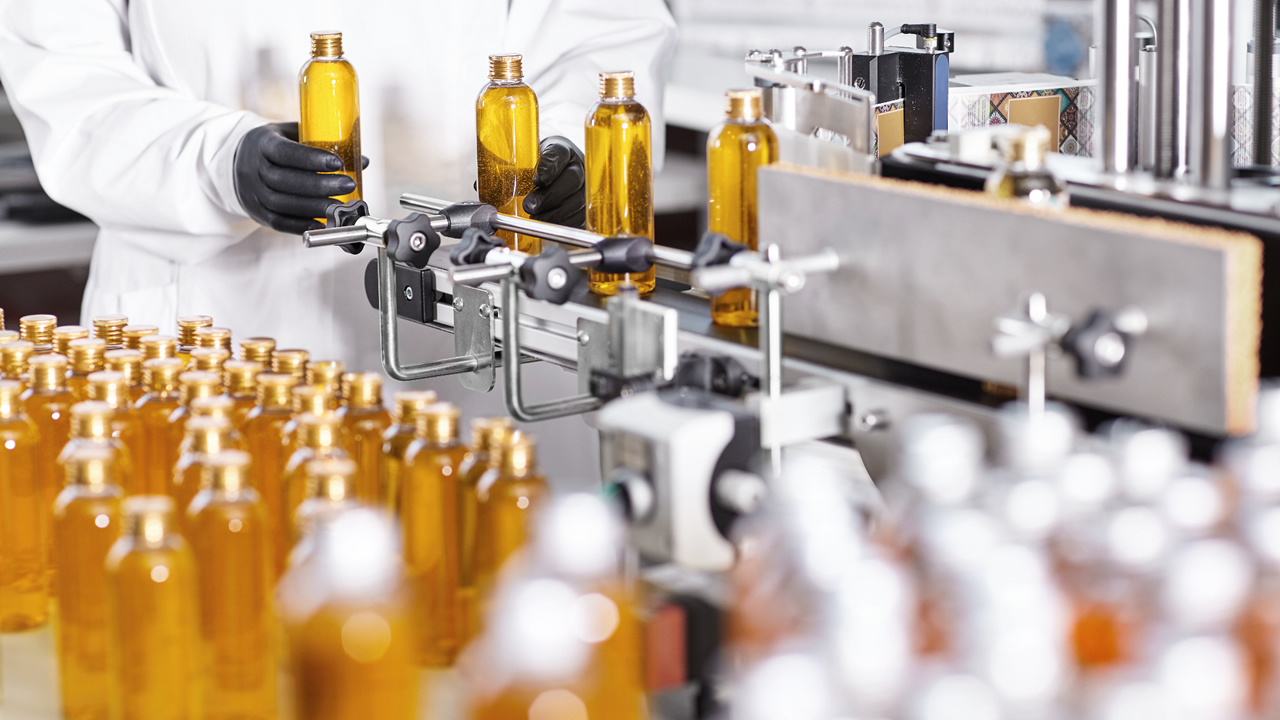
Contract cosmetic manufacturing has become an important field that supports brands’ efforts to offer high-quality products in an increasingly competitive environment. In this process, Contract Manufacturing Quality Control practices play a critical role for both producers and consumers. While quality control processes ensure the safety and effectiveness of products, they also help protect brand reputation. In this blog post, we will examine in depth the importance of quality control in contract cosmetic manufacturing, the stages applied, and the standards involved. Additionally, we will evaluate the impact of equipment and technology in processes ranging from laboratory tests to regulatory requirements. In this way, our readers will gain valuable insights into what they should pay attention to when engaging in contract manufacturing.
Definition of Contract Cosmetic Manufacturing
What is contract manufacturing?
Contract manufacturing is a process in which brands or companies have their products manufactured at a different production facility. In this method, the brand provides its own formulas and designs and delegates production to another company. Especially in the cosmetics sector, contract manufacturing can be defined as follows:
Cost Advantage: Instead of establishing their own production facilities, brands can procure products at lower costs by working with contract manufacturers.
Area of Expertise: Contract manufacturers may improve quality as they are more specialized in specific product groups.
Fast Market Entry: Through contract manufacturing, brands can quickly launch new products to the market.
Why is contract cosmetic manufacturing preferred?
Contract cosmetic manufacturing has become an attractive option for many brands. The reasons include:
Flexibility: The ability to easily produce different designs and formulations.
Production Capacity: Facilities with high production capacities can respond quickly to demand.
Reliable Business Partnership: Obtaining safe and effective products through quality control processes.
For these reasons, contract cosmetic manufacturing has gained an important place in the industry. Contract Manufacturing Quality Control processes are among the most important components of this system.
Why Is Quality Control Important?
Quality control plays a critical role in Contract Manufacturing Quality Control processes. Properly managed processes provide many benefits for both manufacturers and consumers.
Product safety
Risk Reduction: Quality control minimizes risks by detecting potential defects in products.
Health Impacts: Especially in cosmetic products, ingredients that may have adverse health effects must be carefully controlled.
Customer satisfaction
Reliability: The quality control process increases brand reliability and encourages consumers to choose these products.
Building Loyalty: High quality increases customer satisfaction and strengthens brand loyalty.
| Importance | Description |
|---|---|
| Product Safety | Reducing potential health risks |
| Customer Satisfaction | Increasing consumer trust and satisfaction |
For these reasons, implementing high-quality production processes is the key to success.
Contract Manufacturing Quality Control Stages
Quality control processes play a critical role in contract cosmetic manufacturing. These stages must be implemented meticulously to ensure that products are produced at high standards.
Raw material control
Reliable Suppliers: Working only with approved and reliable manufacturers when sourcing raw materials.
Quality Documentation Review: Examining quality certificates of incoming raw materials.
Sampling: Subjecting raw material samples to laboratory testing.
Production process control
Process Monitoring: Checking compliance with standard procedures at every production stage.
Equipment Maintenance: Regular maintenance and calibration of used equipment.
Final Product Control: Subjecting finished products to quality control tests.
These stages form the cornerstone of the Contract Manufacturing Quality Control process, and careful implementation of each directly affects the final product quality.
Standards and Certifications
Standards and certifications play a critical role in quality control processes within contract cosmetic manufacturing. The effectiveness of these processes increases product reliability and customer satisfaction. Some key standards to consider include:
ISO standards
ISO (International Organization for Standardization) standards define the requirements for quality management systems. These standards cover the following elements at every stage of production:
| Standard | Description |
|---|---|
| ISO 9001 | Defines the requirements for quality management systems |
| ISO 22716 | Specifies good manufacturing practices for cosmetic production |
GMP practices
Good Manufacturing Practices (GMP) play a vital role in ensuring product safety and quality in the cosmetics industry. Implementing GMP offers the following advantages:
Product consistency: Ensuring each production batch meets the same quality standards.
Customer trust: Certification enhances brand credibility.
These standards and practices help effectively manage Contract Manufacturing Quality Control processes.
Laboratory Tests and Analyses
In contract cosmetic manufacturing, Contract Manufacturing Quality Control processes are supported by laboratory tests and analyses. These tests are critical to ensuring product reliability and effectiveness.
Chemical analyses
Ingredient Analysis: Determines whether all chemical components are present in correct proportions.
pH Value: Important for skin compatibility and product stability.
Allergen Tests: Identify potential allergens to increase customer satisfaction.
Microbiological tests
Bacteriological Tests: Check whether products are free from microbial contamination.
Yeast and Mold Tests: Identify measures required to extend shelf life.
Stability Tests: Help predict how the product will change over time.
| Test Type | Purpose | Results |
|---|---|---|
| Chemical Analyses | Ensuring ingredient accuracy | Product safety and effectiveness |
| Microbiological Tests | Preventing contamination | Long shelf life and customer satisfaction |
These tests are an integral part of quality control processes and guarantee the quality of the final product.
Regulatory Requirements
Contract cosmetic manufacturing is subject to specific regulatory requirements designed to ensure product safety and quality.
Local and international regulations
Local Regulations: In Turkey, legal regulations such as the Cosmetic Regulation and the Turkish Food Codex oversee product ingredient safety.
International Regulations: Standards such as the EU’s REACH and CLP regulations ensure cosmetics can be safely marketed globally.
Labeling and information
Accurate labeling: Product labels must clearly state ingredient information, usage instructions, and warnings.
Transparency: Providing clear information increases consumer trust. Detailed information about product content and testing processes should be shared.
These regulatory requirements are a key part of Contract Manufacturing Quality Control processes and ensure products are thoroughly examined before market release.
The Role of Equipment and Technology
In contract cosmetic manufacturing, the effectiveness of Contract Manufacturing Quality Control processes largely depends on the equipment and technologies used. Proper equipment and innovative technologies increase both product quality and production efficiency.
Quality control equipment
Equipment used in quality control processes helps minimize errors during production. Key equipment includes:
Spectrophotometer: Used for color analysis
Viscometer: Measures viscosity
pH meter: Measures acidity level
Microbiological test kits: Check product sterilization
Innovative technologies
Advancing technologies make quality control more effective. Notable innovations include:
Automated monitoring systems: Provide real-time performance measurement
Data analytics: Used to identify issues in production processes
Artificial intelligence: Used for process optimization and forecasting
These tools and technologies directly impact the success of Contract Manufacturing Quality Control processes and provide a competitive advantage in the industry.
Effective Communication in the Contract Manufacturing Process
Effective communication is the key to success in contract cosmetic manufacturing. Good communication enhances production quality, collaboration, and customer satisfaction.
Manufacturer–brand collaboration
Open Communication: Transparent information sharing at every stage helps resolve issues quickly.
Goal Setting: Manufacturers and brands should define shared goals at the beginning of projects.
Regular Meetings: Periodic meetings aligned with needs and expectations strengthen communication.
Feedback processes
Real-time Feedback: Establishing instant feedback mechanisms speeds up quality control processes.
Evaluation of Feedback: Received feedback should be reviewed regularly and corrective actions taken immediately.
Surveys and Assessments: Customer satisfaction surveys help identify areas for improvement.
Therefore, communication strategies should be well planned and implemented to increase the effectiveness of Contract Manufacturing Quality Control processes.
Customers and Contract Manufacturers in Turkey
Market analysis
Turkey has become a significant hub for contract cosmetic manufacturing. Market conditions and customer demands enable companies to improve production capacities and quality standards.
High demand: Local and international brands prefer sourcing contract cosmetic products from Turkey.
Competitive advantage: Turkish manufacturers offering good pricing and high-quality products stand out.
Advancing technology: New production techniques and technological infrastructure support sector growth.
Leading companies
Prominent contract cosmetic manufacturers in Turkey stand out for their quality and reliability. Some examples include:
| Company Name | Area of Expertise | Quality Certifications |
|---|---|---|
| ABC Cosmetics | Natural cosmetics | ISO 9001, GMP |
| XYZ Cosmetics | Makeup products | ISO 22716, Vegan Certification |
| DEF Manufacturing | Skincare products | Halal Certification, Ecocert |
These companies place great importance on Contract Manufacturing Quality Control processes and offer solutions tailored to customer needs.
Future Trends
Some trends to consider in future contract cosmetic manufacturing include:
Sustainability
Eco-friendly production: Increased use of sustainable materials
Packaging innovation: Preference for recyclable and biodegradable packaging
Energy efficiency: Development of processes aimed at reducing energy consumption
Technological transformation
Digitalization: Digital production processes will enhance quality control and traceability
Automation: Integration of systems to minimize human error
Data analytics: Optimization of quality control processes through data-driven insights
These trends will make Contract Manufacturing Quality Control processes more effective and provide a competitive advantage in the industry.
Frequently Asked Questions
What are the quality control processes in contract cosmetic manufacturing?
Quality control processes in contract cosmetic manufacturing include a series of steps to ensure products meet quality standards. Starting with raw material selection, materials are tested for reliability. Throughout production, processes are monitored using checklists at each stage. Final products undergo physical, chemical, and microbiological testing, and a quality report is prepared based on the results.
What tests are applied at the quality control stage?
Various tests are conducted to ensure product safety and effectiveness. Chemical tests analyze ingredient composition and pH balance. Physical tests evaluate properties such as viscosity and density. Microbiological tests check for microorganisms and potential contaminants. These tests are critical to ensuring products are safe and effective before being released for sale.
Which standards should be considered in contract cosmetic manufacturing?
Many standards must be considered, including ISO 22716, which defines good manufacturing practices for cosmetics. In addition, local laws and regulations such as EU cosmetic directives and FDA regulations should be taken into account. These standards provide an important framework for evaluating product safety, effectiveness, and environmental impact.
Why are quality control processes so important?
Quality control processes are vital for ensuring product quality and safety. Poor-quality or unreliable products can endanger consumer health and damage brand reputation. Failure to comply with regulations can also result in serious fines and legal issues. Therefore, quality control is essential for customer satisfaction and business sustainability.
How can contract manufacturing companies improve quality control processes?
Companies can improve quality control by implementing training programs to enhance employee knowledge, utilizing modern technology and automation systems, building strong supplier relationships to improve raw material quality, and conducting regular internal audits to continuously review and improve quality control processes.


