











Recommendations for Contract Slimming Tea Production
Table of Contents
- Choosing the Right Herbs for Slimming Tea
- Quality Control During the Production Process
- Packaging and Storage of the Tea
- Compliance with Legal Regulations
- Labeling and Packaging Recommendations
- Optimizing Production Costs
- Market Research and Identifying the Target Audience
- Completion of Documentation and Permits
- Tips to Increase Production Efficiency
- Contract Manufacturing Management and Collaboration
- Frequently Asked Questions
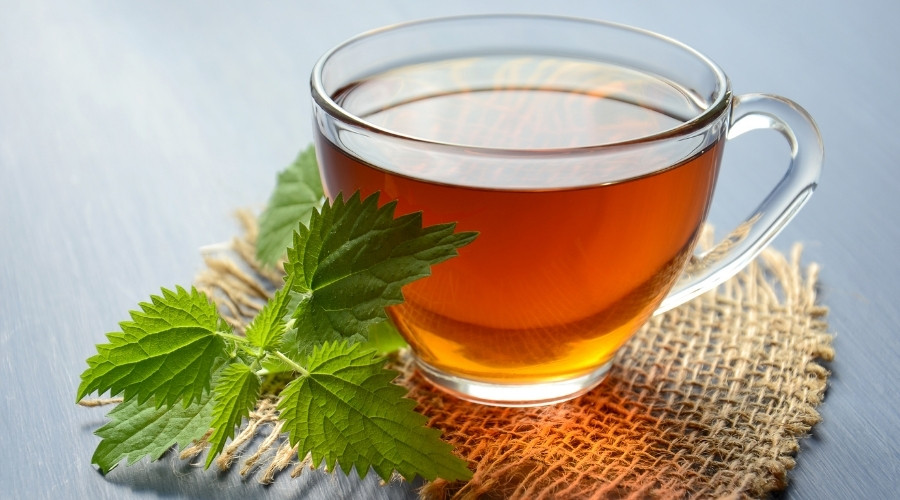
Contract slimming tea production is a highly demanded sector. There are many points to consider, such as selecting the right herbs, quality control, packaging, storage, compliance with legal regulations, labeling, packaging design, optimizing production costs, market research, identifying the target audience, documentation and permit processes, tips for increasing efficiency, and contract manufacturing management. In this article, you can find all the necessary steps and recommendations for contract slimming tea production. Keep reading to gain in-depth information about the contract slimming tea production process.
Choosing the Right Herbs for Slimming Tea
When starting the Contract Slimming Tea production process, selecting the right herbs is extremely important. To obtain a high-quality and effective tea, the correct herbs must be used. Here are the points to consider when choosing herbs for contract slimming tea production:
Focus Keyword: Contract Slimming Tea
Identifying the right herbs:
Determining the herbs to be used in contract slimming tea production is a fundamental step for product quality. At this point, choosing herbs such as green tea, mate leaf, and nettle, which support fat burning in the body, is important.
Organic and natural sourcing:
Attention should be paid to ensuring that the selected herbs are grown using organic and natural methods. They should not contain chemical fertilizers or harmful pesticide residues.
Effect and flavor profile:
The herbs used for slimming tea should not only support weight loss but also offer a pleasant taste profile.
Compliance with health standards:
The selected herbs must comply with health standards and be sourced from reliable suppliers.
Choosing the right herbs is a critical step for the quality of contract slimming tea production and customer satisfaction. Carefully following these steps is an important factor that determines the success of the product.
Quality Control During the Production Process
Quality control is extremely important in contract slimming tea production. The reliability and effectiveness of your products are critical for consumer loyalty. Here are some important steps for quality control during production:
Herb Selection:
Using high-quality herbs in contract slimming tea production determines product quality. Selecting quality herbs increases the effectiveness of the product.
Workmanship Control:
Attention should be paid to the hygiene of collected herbs and production equipment. Compliance with cleanliness standards improves product quality.
Quantity Control:
The amount of herbs used in the content should be regularly checked and standardized.
Flavor and Aroma Tests:
The flavor and aroma quality of the produced tea should be tested regularly.
Quality control in contract slimming tea production will increase your product’s competitiveness in the market. These steps are essential measures to ensure quality control during the production process.
Packaging and Storage of the Tea
In contract slimming tea production, proper packaging and storage are important for maintaining quality. To obtain a high-quality product and offer consumers a fresh beverage, attention must be paid to these steps.
Points to consider when packaging and storing contract slimming tea include:
Airtight Packaging:
Contract slimming tea should be packaged in specially designed packaging to protect it from air, light, and moisture. This is important for preserving freshness.
Storage Conditions:
The environment where the tea is stored must have controlled humidity and temperature. Optimal storage conditions are critical to maintaining quality and preventing spoilage.
Packaging Labeling:
Packaging should include information such as production date, expiration date, ingredients, and usage instructions. This is important for providing accurate information to consumers and complying with legal regulations.
Contract slimming tea producers should pay close attention to packaging and storage processes to offer high-quality and fresh products. These steps also play an important role in marketing and consumer relations.
Compliance with Legal Regulations
When producing Contract Slimming Tea, full compliance with local and national regulations is extremely important. This ensures that your production is legally recognized and builds consumer trust. In addition to ensuring compliance, it also increases product quality and reliability.
Recommendations for Legal Compliance:
Ingredient Control:
Ensure that the herbs and materials used in contract slimming tea production are legally approved.
Labeling Standards:
Make sure that all labels placed on product packaging comply with legal requirements. Ingredient details, production dates, and expiration dates must be complete.
Certifications and Permits:
Obtain all required certifications and permits for your production to prove compliance with legal regulations.
Health Claims:
If your product includes health claims, ensure that these claims comply with legal standards. Claims must be verifiable and legally acceptable.
Ensuring compliance with legal regulations is a fundamental step for the success and sustainability of contract slimming tea production. This way, you can gain consumer trust and establish a strong position in the market.
Labeling and Packaging Recommendations
In contract slimming tea production, labeling and packaging are the final steps before the product reaches consumers. There are important points to consider at this stage:
Accurate Labeling:
Labels on the product packaging should clearly and completely include information such as ingredients, usage instructions, storage conditions, and production date.
Visual Design:
Attractive and aesthetic packaging design can capture consumer interest. Using natural and fresh colors that emphasize healthy living can build consumer trust.
Packaging Quality:
Choosing packaging materials that preserve freshness and quality is crucial. Packaging materials must be suitable for the product and comply with health standards.
Compliance with Regulations:
All packaging and labeling processes must comply with regulatory standards and must not include misleading information.
Sustainable Packaging:
Environmentally friendly approaches such as recyclable or reusable packaging options should also be considered.
Carefully following these steps will contribute to the successful market performance of contract slimming tea products.
Optimizing Production Costs
Optimizing costs in contract slimming tea production is vital for increasing profitability and offering competitive prices. Here are some ways to optimize production costs:
Raw Material Procurement:
Purchasing herbs in bulk can reduce costs. Comparing prices among suppliers while considering quality is important.
Increasing Efficiency:
Improving efficiency in the production process can reduce labor costs. Enhancements in machine automation, workforce productivity, and energy usage can optimize costs.
Packaging Costs:
Using cost-effective yet quality packaging materials can reduce total costs.
Scaling Production:
Large-scale production can reduce unit costs. Increasing production volume in contract manufacturing facilities can provide cost advantages.
These steps can serve as a starting point for optimizing costs in contract slimming tea production and help you gain a strong competitive position in the market.
Market Research and Identifying the Target Audience
Market research plays a crucial role in contract slimming tea production. To reach the right target audience and meet their needs, the following steps should be taken:
Identify Your Target Audience:
Analyze which consumer group is most likely to prefer contract slimming tea—typically individuals seeking weight loss.
Conduct Competitor Analysis:
Review pricing, packaging, and marketing strategies of similar products in the market to gain a competitive advantage.
Research Consumer Preferences:
Study customer preferences such as tea flavors, packaging expectations, and supplement ingredients to shape your product accordingly.
Set the Right Price:
Based on market research, determine a competitive price aligned with product quality.
Develop Online and Offline Marketing Strategies:
Create effective marketing strategies on platforms where your target audience is active, such as social media, digital advertising, and health product stores.
Proper market research and target audience identification will ensure the successful launch of contract slimming tea products.
Completion of Documentation and Permits
Completing documentation and permits is extremely important in the contract slimming tea production process. This step proves legal compliance and product reliability.
Health Documents:
Health and safety tests for the herbs used in production must be conducted and documented. Certificates proving compliance with health standards are essential.
Production Permit:
The contract manufacturing facility must obtain production permits from the Ministry of Health or relevant authorities.
Packaging and Labeling Documents:
Documents proving compliance with packaging and labeling standards must be provided.
Fulfilling all legal requirements during this stage ensures the legality and reliability of contract slimming tea production.
Tips to Increase Production Efficiency
There are several important tips to increase efficiency in contract slimming tea production:
Improve Raw Material Supply:
Ensuring continuous and reliable access to high-quality herbs increases production efficiency.
Enhance the Production Process:
Identify inefficiencies and optimize labor, machinery, and equipment usage.
Strengthen Quality Control:
Tightening quality control increases product quality and customer satisfaction, enhancing market competitiveness.
Invest in Training and Development:
Investing in employee training improves workforce productivity and production quality.
By following these tips, you can increase efficiency and strengthen your competitive advantage in the market.
Contract Manufacturing Management and Collaboration
Proper management and collaboration are essential in contract slimming tea production. Key factors to consider include:
Building Strong Collaboration:
Establishing trust-based relationships and maintaining open communication with contract manufacturers improves efficiency.
Quality Control and Auditing:
Quality control should be conducted at every stage of production. The contract manufacturer’s compliance with quality standards should be regularly audited.
Contracts and Agreements:
Detailed contracts and agreements ensure smooth cooperation between parties.
Considering these factors maximizes the effectiveness of contract slimming tea production management and collaboration, enabling the delivery of high-quality and reliable products.
Frequently Asked Questions
How is contract slimming tea produced?
To produce contract slimming tea, high-quality herbs and materials are selected first. Hygiene rules must be followed during drying, blending, and packaging stages. Production is then carried out in facilities with appropriate conditions.
What are the steps involved in contract slimming tea production?
The steps include herb and material selection, drying, blending, packaging and labeling, storage, and distribution. Quality and hygiene are critical at every stage.
What are the key points to consider in contract slimming tea production?
Key considerations include freshness and quality of herbs, hygiene during packaging, proper storage conditions, and careful distribution.
What documents are required for contract slimming tea production?
Required documents include permits from the Ministry of Agriculture and Food, ISO 22000 Hygiene Certificate, plant production permits, and compliance of production facilities with required standards.


