











Step-by-Step Guide to Contract Cosmetic Manufacturing
Table of Contents
- Required Materials and Equipment
- Preparation of the Production Area
- Basic Cosmetic Manufacturing Process
- Formulation Development and Testing
- Hygiene Standards in Production
- Quality Control in Production
- Product Packaging and Labeling
- Legal Aspects of Contract Cosmetic Manufacturing
- Product Storage and Transportation
- Marketing and Sales Strategies
- Frequently Asked Questions
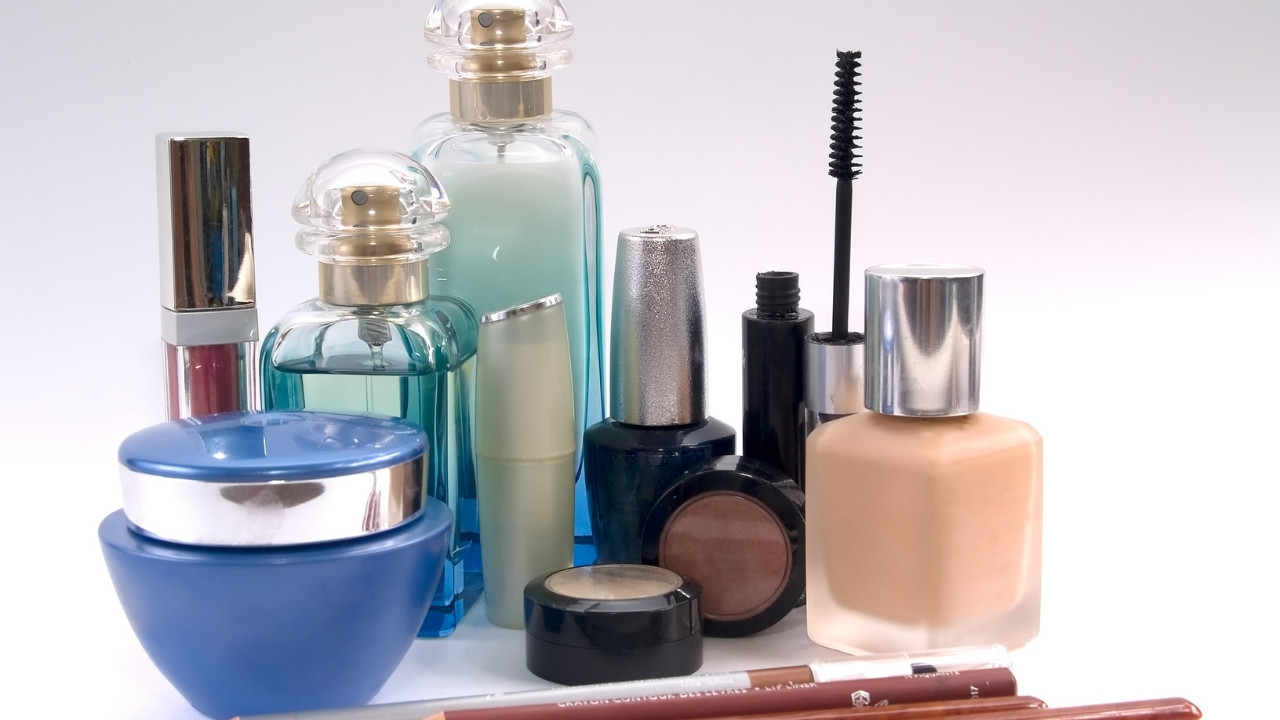
Contract cosmetic manufacturing has become a popular business field today. In this article, we will examine the contract cosmetic manufacturing process step by step. From the required materials and equipment to preparing the production area, from formulation development to product packaging and labeling, every stage will be discussed in detail. In addition, we will cover important topics such as hygiene standards in production, legal aspects, product storage and transportation, and marketing and sales strategies, thus addressing every aspect of contract cosmetic manufacturing. This guide will be a comprehensive resource for those who want to engage in contract cosmetic manufacturing.
Required Materials and Equipment
The basic materials and equipment you need for contract cosmetic manufacturing are as follows:
Raw Materials: Selecting the correct raw materials for products such as skincare products, hair care products, and makeup products is critical for production quality. It is important to supply materials such as natural oils, essential oils, and active ingredients.
Production Equipment: Equipment such as mixers, blenders, kettles, scales, and measuring devices are necessary for the proper production of cosmetic products. The quality of this equipment and its compliance with hygiene standards are important for production success.
Packaging Materials: Packaging materials required for product packaging should not be overlooked. Elements such as labels, bottles, boxes, and hygienic packaging materials are of great importance for product marketability.
Ensuring that these materials and equipment are supplied correctly and completely during the contract cosmetic manufacturing process is critical for product quality and customer satisfaction. It is also important not to overlook the other steps required for contract cosmetic manufacturing.
Preparation of the Production Area
Choosing a suitable production area for contract cosmetic manufacturing is extremely important. Proper preparation of the production area plays a major role in quality and efficiency. Here are the steps for preparing the production area for contract cosmetic manufacturing:
Cleanliness and Organization: The cleanliness and organization of the production area are critical for compliance with hygiene standards. All equipment and surfaces must be cleaned and disinfected regularly.
Machinery and Equipment: Machinery and equipment to be used in production must be properly positioned and installed. In addition, regular maintenance and calibration checks are important.
Raw Material Storage: Suitable conditions must be created for storing raw materials and supplies used in cosmetic production. A well-ventilated, dry storage area away from sunlight should be selected.
Acting in accordance with hygiene, order, and quality standards during the preparation of the production area ensures that subsequent production stages proceed more efficiently and smoothly. Therefore, preparing the production area both physically and operationally is of great importance.
Basic Cosmetic Manufacturing Process
In the contract cosmetic manufacturing process, following the basic steps is extremely important for product quality and safety. This process consists of the following steps:
Preparation of Materials: All materials to be used for contract cosmetic manufacturing must be prepared in the correct quantities. This step is vital for proper implementation of the formulation.
Application of the Formulation: The production process begins with the step-by-step application of the determined cosmetic formulation. At this stage, mixing and processing raw materials in appropriate ratios is crucial.
Thermal Processing of the Mixture: The obtained formulation may need to be heated or cooled at appropriate temperatures to reach the desired consistency. This step determines the final characteristics of the product.
Filling and Packaging: This is the process of filling the product into designated packages and labeling them. At this stage, strict adherence to hygiene rules and accurate dosing are essential.
Following the basic steps in the contract cosmetic manufacturing process ensures the emergence of high-quality and reliable products. It is extremely important to act in accordance with the standards set for contract cosmetic manufacturing at each of these steps.
Formulation Development and Testing
In the contract cosmetic manufacturing process, developing the correct formulation and testing products are very important. These steps are vital for ensuring customer satisfaction and product quality. The following steps are followed during formulation development and testing:
Needs Analysis: The first step is to analyze the needs of the target market and customer segment. This forms the basis of the correct formulation.
Raw Material Selection: The quality, reliability, and compatibility of the raw materials to be used in the formulation are of great importance. Contract cosmetic manufacturing begins with correct raw material selection.
Formulation Development: With the identified needs and selected raw materials, the formulation development process begins under the guidance of an expert team. The goal at this stage is to achieve the desired product characteristics.
Testing and Improvement: The developed formulation is tested in a laboratory environment. Factors such as product stability, absorption, and effectiveness are evaluated. Adjustments are made to the formulation if necessary.
Focusing on quality, reliability, and customer satisfaction during formulation development and testing is a fundamental step for successful contract cosmetic manufacturing.
Hygiene Standards in Production
Compliance with hygiene standards is of great importance in contract cosmetic manufacturing. To ensure these standards, the following steps should be observed:
Equipment Cleaning: Regular cleaning and disinfection of production equipment is one of the basic steps in maintaining hygiene standards. Cleaning equipment before each production increases product quality and safety.
Personnel Hygiene: It is very important that personnel working in the production area comply with hygiene standards. Hand hygiene, appropriate work clothing, and hygienic working habits must be ensured.
Raw Material Storage: Storing and preserving raw materials used in cosmetic production under hygienic conditions is another factor affecting product quality.
General Workplace Cleanliness: Regular cleaning of the production area and maintaining hygienic conditions are necessary for contract cosmetic manufacturing.
Compliance with hygiene standards in production both increases product quality and helps gain consumer trust. Adhering to hygiene rules in contract cosmetic manufacturing provides a competitive advantage in the sector.
Quality Control in Production
Quality control in the contract cosmetic manufacturing process is a critical step to ensure product compliance with standards and customer satisfaction. Quality control should include the following elements:
Workmanship Quality: The training and awareness level of production personnel is an important factor affecting product quality. Quality control should continuously monitor workmanship quality and provide necessary training.
Raw Material Control: The quality of raw materials used in cosmetic production is very important. The contract manufacturer should inspect incoming raw material batches and determine whether they meet quality standards.
Product Testing: Each batch of produced products should be subjected to detailed laboratory tests. These tests provide information about product stability, safety, and quality.
Quality control should be meticulously applied and documented at every stage of the production process. In this way, you can increase your competitive advantage in the sector by offering high-quality and reliable products to customers. These steps ensure quality preservation in the contract cosmetic manufacturing process and strengthen brand reputation.
Product Packaging and Labeling
In the contract cosmetic manufacturing process, proper packaging and labeling are important to prepare your products for customers. There are some points to consider at this stage:
Product Packaging: By using high-quality and attractive packaging in the contract cosmetic manufacturing process, you can introduce your products to the market effectively. Pay attention to durability, functionality, and aesthetics of the packaging.
Labeling: Labeling products in compliance with legal regulations is extremely important. Ingredient information, usage instructions, and components must be clearly stated on the label.
Aesthetic Design: Attractive packaging and label designs strengthen your brand image. You can differentiate your products from competitors with eye-catching colors, logo designs, and visuals.
Eco-Friendly Approach: Consumer interest in environmentally friendly products is increasing day by day. Therefore, it is important to choose eco-friendly packaging and labeling materials.
By paying attention to quality and legal compliance during the packaging and labeling stage of the contract cosmetic manufacturing process, you can increase customer satisfaction and strengthen your brand reputation.
Legal Aspects of Contract Cosmetic Manufacturing
When it comes to contract cosmetic manufacturing, legal obligations are extremely important. The legal aspects of the production process must be handled meticulously and comply with specific standards. Here are some important points regarding the legal aspects of contract cosmetic manufacturing:
Licenses and Permits: Companies wishing to engage in contract cosmetic manufacturing must obtain the necessary licenses and permits from the Ministry of Health. Production cannot be carried out without these permits.
Product Information File (PIF): A Product Information File (PIF) must be prepared for each cosmetic product and presented in compliance with relevant legislation. This file should include product ingredients, safety information, and other details.
Raw Material Control: Raw materials used in cosmetic production must be legal and properly authorized. Illegal or unauthorized raw materials cannot be used.
Labeling and Packaging: Labeling and packaging processes for produced cosmetic products must comply with cosmetic regulations. Information on product packaging must be clearly and thoroughly presented.
When engaging in contract cosmetic manufacturing, full compliance with legal regulations must be ensured and inspections must be strictly followed. This ensures the production of reliable products for both companies and consumers.
Product Storage and Transportation
The storage and transportation of products produced through contract cosmetic manufacturing are extremely important to maintain product quality and deliver them safely to customers. Some important points to consider at this stage include:
Storage Conditions: The area where cosmetic products are stored must have appropriate temperature and humidity levels. Proper storage conditions help minimize the risk of product deterioration.
Product Transportation: There are important considerations during the transportation of contract cosmetic manufacturing products. Using impact-resistant packaging helps prevent product damage.
Storage Duration: It is important to determine the shelf life of produced cosmetic products and consider storage duration to prevent deterioration before reaching the end consumer.
Care must be taken during the storage and transportation processes of contract cosmetic manufacturing products, and hygiene standards must be observed. These steps are essential for preserving product quality and ensuring customer satisfaction.
Marketing and Sales Strategies
For contract cosmetic manufacturing businesses, marketing and selling produced products are important steps. Proper marketing and sales strategies ensure that products reach the target audience and increase sales.
Some important points that businesses should consider when developing marketing and sales strategies after contract cosmetic manufacturing include:
Target Audience Identification: The target audience for the produced cosmetic products should be identified, and marketing strategies should be developed accordingly.
Digital Marketing: Products can be promoted to the target audience through digital marketing strategies on online platforms. Methods such as social media, email marketing, and digital advertising can be used.
Collaborations with Stores and Sales Points: Partnerships can be established to sell cosmetic products in stores and sales outlets.
Product Promotion and Brand Image: Effective strategies should be determined to properly promote products and build a strong brand image.
Businesses that want to engage in contract cosmetic manufacturing should take careful and innovative steps when determining marketing and sales strategies in the highly competitive cosmetics sector.
Frequently Asked Questions
What is contract cosmetic manufacturing?
Contract cosmetic manufacturing is the process in which a cosmetic manufacturer or brand does not produce products under its own name but outsources production to another company or facility. In this way, the brand sells the products manufactured by another company under its own brand name.
What are the advantages of contract cosmetic manufacturing?
Advantages of contract cosmetic manufacturing include cost savings, focus on core expertise, fast production and variety, and raw material sourcing. In addition, brand owners can introduce their brands to the market without having detailed knowledge of the production process.
What steps are involved in contract cosmetic manufacturing?
Contract cosmetic manufacturing steps include product development, formulation creation, production planning, testing processes, packaging, and distribution. Quality control and legal compliance are also important steps in the production process.
What facilities are required for contract cosmetic manufacturing?
Contract cosmetic manufacturing generally requires GMP-compliant, licensed, modern, and technologically equipped cosmetic production facilities. These facilities include product development laboratories, production lines, quality control laboratories, storage areas, and packaging lines.


