











Success Stories of Entrepreneurs with Contract Cosmetic Manufacturing
Table of Contents
- What Is Contract Cosmetic Manufacturing?
- Advantages of Contract Cosmetic Manufacturing
- The Role of Successful Entrepreneurs in Contract Cosmetic Manufacturing
- Quality Control in Contract Cosmetic Manufacturing
- Market Research and Target Audience Identification
- Legal Requirements for Contract Cosmetic Manufacturing
- Brand Building in Contract Cosmetic Manufacturing
- Marketing Strategies
- Strategies for Entering International Markets
- Innovative Approaches in Contract Cosmetic Manufacturing
- Financing Options and Support
- Challenges Faced by Entrepreneurs
- Frequently Asked Questions
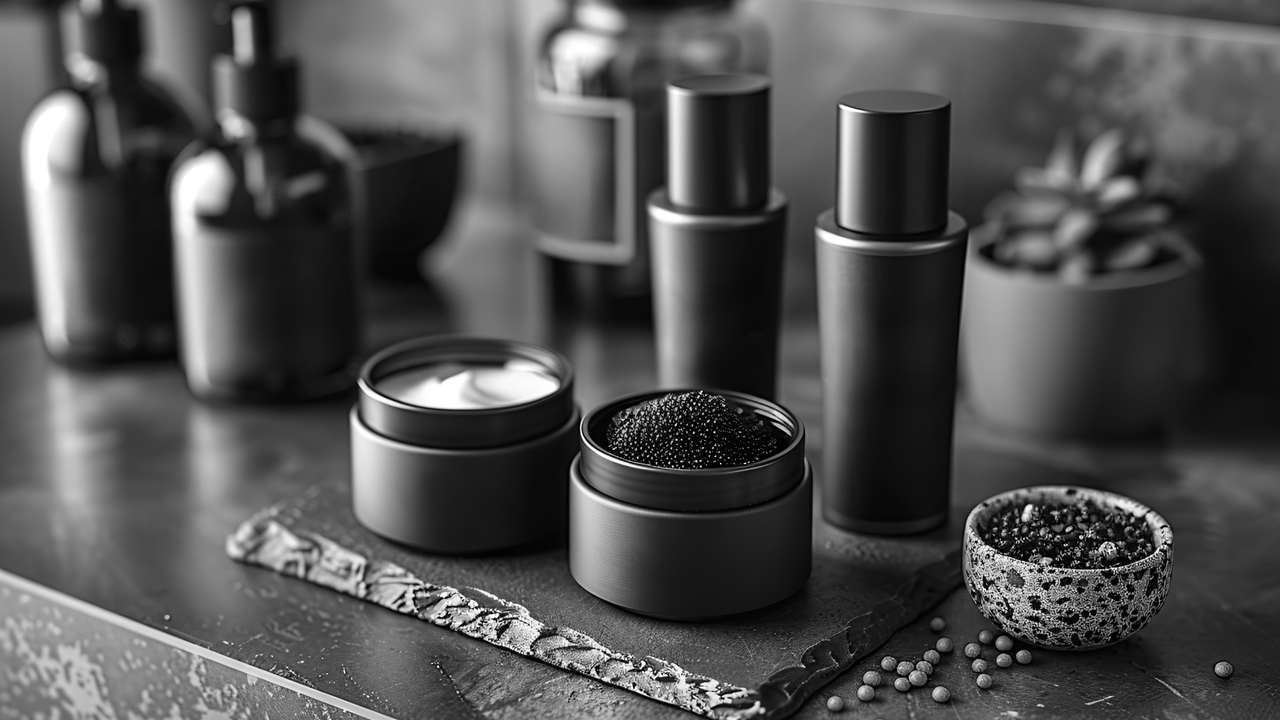
One of the sectors offering various opportunities for entrepreneurs today is the cosmetics industry. Especially Contract Cosmetic Manufacturing, allows brands to bring their products to market more quickly and cost-effectively. In this blog post, we will not only explain what contract cosmetic manufacturing is and the advantages it offers, but also share the experiences of successful entrepreneurs in this field. In addition, we will examine important topics such as quality control processes, market research, brand building, and marketing strategies, while detailing the challenges entrepreneurs face and their solutions. Therefore, this article serves as a comprehensive guide for those considering entering the cosmetics sector or aiming to advance further within it.
What Is Contract Cosmetic Manufacturing?
Contract cosmetic manufacturing is a collaboration in which brand owners work with another company to produce their products. This system helps entrepreneurs create their own brands without bearing high costs. Contract manufacturing covers not only the production process but also the design and formulation stages.
Definition of Contract Cosmetic Manufacturing
Contract manufacturing refers to a process in which a brand provides the design and formulation, while transferring the production process to another manufacturer. Through this approach, brands can:
Obtain high-quality products
Reduce production costs
Use time efficiently and launch products quickly
Different Production Models
Contract manufacturing can be carried out through various models. The most common ones are:
| Production Model | Description |
|---|---|
| Private Label | Production of products under the brand’s own label |
| Custom Manufacturing | Production based on custom formulas and designs |
| Contract Manufacturing | Production carried out within the scope of a specific agreement |
Entrepreneurs can choose the most suitable option according to their needs.
Materials Used in Contract Manufacturing
The materials used in contract manufacturing are among the most important factors determining product quality. Commonly preferred materials include:
Natural and organic ingredients
Avoidance of harmful chemicals such as parabens and sulfates
Effective active ingredients (vitamins, botanical extracts, etc.)
Selecting these materials increases both product quality and brand image, making careful evaluation essential during the production process.
Advantages of Contract Cosmetic Manufacturing
Contract cosmetic manufacturing offers many advantages for entrepreneurs. These benefits are crucial for staying competitive in the sector and developing effective business strategies.
Cost Efficiency
Contract manufacturing can significantly reduce initial costs. Especially for new entrepreneurs, lower costs provide the following benefits:
Low capital investment: Products can be launched without building a large production facility.
Small-batch production: Demand-based manufacturing prevents unnecessary inventory costs.
Flexibility and Speed
Responding quickly to market demand is critical for business success. Contract manufacturing provides this flexibility by:
Fast production processes: Professional management before and after production ensures rapid results.
Innovative product development: Entrepreneurs can speed up development by leveraging existing supply chains.
Lower Risk for Entrepreneurs
Minimizing risk is essential for running a successful business. Contract manufacturing reduces risk through:
Technological infrastructure: Working with experienced manufacturers minimizes product defects.
Market testing: Small-batch production allows entrepreneurs to assess real market demand.
These advantages help entrepreneurs establish a stronger position in the industry while increasing brand value.
The Role of Successful Entrepreneurs in Contract Cosmetic Manufacturing
Examples of Success Stories
Many entrepreneurs today have achieved success in the field of contract cosmetic manufacturing. For example, a young entrepreneur named Ayşe began producing licensed products by partnering with a small business before creating her own brand. Over time, this business model helped her gain brand recognition and eventually launch a product line under her own name.
The secret to success: Strategic partnerships and accurate market research.
Entrepreneurs’ Motivations
There are many reasons why entrepreneurs choose to enter the cosmetics industry, including:
The desire to create their own brand
Entering the market with innovative products
Gaining a competitive advantage by following cosmetic trends
These motivations encourage entrepreneurs to leverage creative opportunities and introduce unique products to the market.
Key Elements of Success
The path to success includes several core elements:
Quality and Trust: Product quality is critical in the cosmetics industry, as consumers seek reliable and effective products.
Marketing Strategies: Effective digital marketing enables brands to reach wider audiences.
Customer Relationships: Strong relationships with customers build loyalty.
“The value you create is directly proportional to customer satisfaction. Listening to your customers is essential for achieving success.”
Quality Control in Contract Cosmetic Manufacturing
Quality control is one of the most critical stages of the contract cosmetic manufacturing process. Consistent product quality enhances brand reputation and strengthens consumer trust.
Quality Control Standards
Key quality control standards applied during production include:
| Standard | Description |
|---|---|
| ISO 9001 | General quality management system standard |
| GMP (Good Manufacturing Practices) | Health and safety requirements |
| European Cosmetic Regulations | Defines permitted cosmetic ingredients |
Ensuring Quality During Production
To maintain quality, the following steps should be taken:
Raw Material Inspection: Verify quality certificates of ingredients
Monitoring Production Stages: Conduct quality checks at every stage
Final Product Testing: Test products before market release
Building Consumer Trust
In today’s competitive market, gaining consumer trust is vital. This can be achieved through:
Transparency: Providing clear information about production processes
Certifications: Sharing quality and safety certificates
Customer Feedback: Using reviews and feedback for continuous improvement
Quality control plays a decisive role in business success and customer satisfaction, making its consistent implementation essential.
Market Research and Target Audience Identification
Market research is a critical process for Contract Cosmetic Manufacturing, enabling brands to develop effective strategies by identifying the right audience.
Understanding the Target Audience
To understand your target audience, focus on the following demographic factors:
Age: Who is your product for?
Gender: Products for men, women, or both
Income Level: Purchasing power of potential customers
Habits: Frequently preferred cosmetic products
Following Market Trends
Keeping up with trends is another key aspect of market research:
Social Media Analysis: Review interactions on popular platforms
Surveys and Interviews: Learn customer expectations
Industry Reports: Follow the latest cosmetic industry publications
| Trend | Appropriate Strategy |
|---|---|
| Interest in natural products | Use organic ingredients |
| Vegan & cruelty-free demand | Highlight ethical values |
| Personalized products | Offer customized solutions |
Conducting Competitive Analysis
Competitive analysis deepens market understanding by evaluating:
Pricing policies
Marketing channels
Customer satisfaction and reviews
These steps help define target audiences and develop effective strategies in contract cosmetic manufacturing.
Legal Requirements for Contract Cosmetic Manufacturing
For entrepreneurs, the process involves not only innovation and marketing but also strict compliance with legal requirements.
Production Certification
Required documents include:
Production License
Monitoring Reports
ISO Certifications
Product Safety and Health Regulations
Prohibited ingredient lists
Dermatological and toxicological testing
Accurate product labeling
Copyrights and Patents
Protect formulations through copyrights
Patent innovative products to prevent imitation
Meeting these requirements ensures long-term success.
Brand Building in Contract Cosmetic Manufacturing
Building a strong brand requires more than product development; it involves creating a connection with the target audience.
Developing a Brand Strategy
Identifying the target audience
Analyzing the market
Choosing the right business model
Telling the Brand Story
Passion and values
Emotional connection
Visual identity
Building a Consumer–Brand Connection
Active social media presence
Customer feedback
Loyalty programs
Marketing Strategies
Marketing strategies are essential for success in contract cosmetic manufacturing.
Digital Marketing Methods
| Method | Advantages |
|---|---|
| SEO | Free traffic, long-term results |
| Email Marketing | Targeted communication |
| Content Marketing | Brand trust and loyalty |
Social Media Usage
Target audience analysis
Visual content
Influencer collaborations
Increasing Engagement
Surveys and feedback
Live streams
Prize contests
Strategies for Entering International Markets
International Trade Opportunities
Market research
Competitive analysis
Legal compliance
Working with Overseas Distributors
Local expertise
Distribution networks
Marketing support
Adapting to Different Market Dynamics
Cultural understanding
Consumer surveys
Localization
Innovative Approaches in Contract Cosmetic Manufacturing
Use of New Technologies
Automation systems
Smart data analytics
3D printing
Sustainable Production Practices
Natural and organic materials
Waste management
Energy efficiency
Responding to Consumer Demands
Personalized products
Transparency
Interactive social media marketing
Financing Options and Support
Finding Investors
Networking
Business plans
Pitch presentations
Government Grants and Incentives
Grant programs
Credit guarantee funds
Production incentives
Bank Loans and Alternative Financing
| Method | Advantages | Disadvantages |
|---|---|---|
| Bank Loans | Low interest | Collateral required |
| Crowdfunding | Broad reach | Risk of no return |
| Angel Investors | Fast access | High profit share |
| Personal Savings | Low risk | Personal capital exposure |
Challenges Faced by Entrepreneurs
Dealing with Competition
Innovation
Customer focus
Competitive pricing
Supply Chain Management
Supplier reliability
Cost control
Logistics planning
Adapting to Consumer Demands
Monitoring trends
Listening to feedback
Continuous product innovation
Frequently Asked Questions
What is contract cosmetic manufacturing?
It is a process where a brand provides its formulation or design to a specialized manufacturer who handles production, offering cost and time efficiency.
How is contract cosmetic manufacturing done?
The brand develops the formula and design, selects a manufacturer, production begins, and final products pass quality control before delivery.
What should be considered in contract cosmetic manufacturing?
Choosing a reliable manufacturer, ensuring quality and safety, obtaining certifications, and complying with regulations.
What are the advantages for entrepreneurs?
Lower costs, access to professional expertise, and faster market entry.
What products can be manufactured?
Skincare, makeup, haircare, and perfumes—provided all legal and safety requirements are met.


