











What Are Contract Manufacturing Methods in Cosmetic Products?
Table of Contents
- What Is Contract Manufacturing?
- Advantages of Contract Manufacturing in the Cosmetics Industry
- Contract Manufacturing Stages of Cosmetic Products
- Quality Control in Contract Manufacturing
- Technologies Used in Contract Manufacturing
- Advantages and Disadvantages of Contract Manufacturing in Cosmetic Products
- Sustainability and Ethical Standards in Contract Manufacturing
- Contract Manufacturing Options for Cosmetic Brands
- In-Demand Cosmetic Products in Contract Manufacturing
- The Future and Trends of Contract Manufacturing
- Frequently Asked Questions
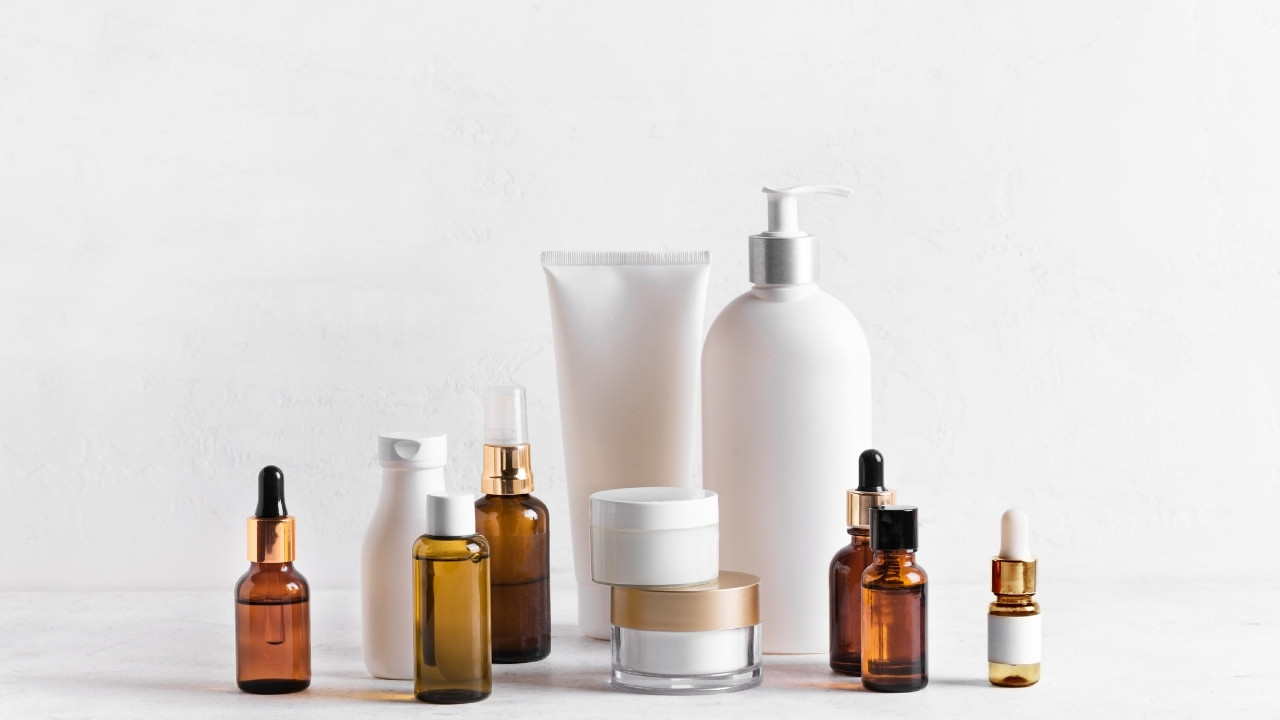
Contract manufacturing in the cosmetics sector has become a very important topic today. In this article, we will examine in detail what contract manufacturing methods are used in cosmetic products. In addition, we will address topics such as the advantages of contract manufacturing, quality control, used technologies, sustainability, and ethical standards, while also discussing the options and future trends of contract manufacturing for cosmetic brands. By reading this article, you can gain a comprehensive perspective on contract manufacturing in the cosmetics industry.
What Is Contract Manufacturing?
Contract manufacturing is a method in which a company outsources its entire production process to another company or third parties. In the cosmetics sector, it is quite common for a brand to have its products manufactured by another producer through contract manufacturing instead of producing them itself. The contract manufacturing process generally consists of the following steps:
Contract Manufacturing Steps:
Design and Formulation: The formulation and design of cosmetic products form the first step of the contract manufacturing process. Special formulas are created according to the brand’s demands.
Raw Material Supply: The contract manufacturer supplies the raw materials and packaging materials required for the products.
Production and Packaging: Products are manufactured and packaged in the facilities of the contract manufacturer.
Quality Control: Products are strictly inspected for compliance with quality standards.
Delivery: Products are delivered to the brand within the specified time frame.
For cosmetic brands, contract manufacturing can increase the speed of launching new products to the market and reduce operational costs. However, the disadvantages of contract manufacturing should not be overlooked. This production method may cause brands to have less control over quality control processes. In addition, monitoring compliance with ethical standards is also important.
Advantages of Contract Manufacturing in the Cosmetics Industry
Contract manufacturing in the cosmetics industry allows brands to benefit from many advantages. These advantages include:
Cost Advantage: Contract manufacturing of cosmetic products can generally be carried out at lower costs. Material supply, labor, and equipment costs may be more economical for the brand.
Fast Production: Contract manufacturing enables cosmetic products to be launched quickly. Brands can provide flexibility in case of increased demand and ensure timely delivery.
Access to Expertise and Technology: Contract manufacturing companies usually have specialized expertise and state-of-the-art equipment. In this way, brands can ensure the production of high-quality and innovative products by entrusting their products to expert hands.
Lower Investment: Contract manufacturing frees brands from the burden of establishing and operating their own production facilities, allowing them to invest less.
These advantages help cosmetic brands remain competitive and grow, while also enabling an increase in product quality and variety. It is possible to say that contract manufacturing is a strategically sound choice in the cosmetics industry.
Contract Manufacturing Stages of Cosmetic Products
The contract manufacturing stages of cosmetic products involve a process that requires great care. These stages are as follows:
Product Development: Through collaboration between the cosmetic brand and the contract manufacturer, product formulation, packaging design, and product tests are determined.
Raw Material Supply: Raw materials to be used in the contract manufacturing process are supplied from reliable suppliers. Choosing the right raw materials is an important step that determines product quality.
Production Process: Well-planned production stages ensure that complex cosmetic formulations are properly mixed, filled, and packaged. Strict hygiene standards are followed during this process.
Quality Control: Strict quality control is carried out throughout the production stages to ensure flawless products. This step ensures product reliability and effectiveness.
Packaging and Shipment: Products are packaged aesthetically and hygienically and shipped to the requested address.
In the contract manufacturing stages of cosmetic products, careful planning and implementation of each step play a critical role in ensuring product quality and customer satisfaction. These stages enable cosmetic brands to offer reliable and competitive products.
Quality Control in Contract Manufacturing
There are some important steps that must be considered to ensure the quality of cosmetic products in contract manufacturing. Quality control is vital for product reliability and customer satisfaction. The following elements should be considered at this stage:
Raw material quality: The quality of cosmetic products is directly related to the quality of the raw materials used. Contract manufacturers must ensure the use of high-quality and reliable raw materials for cosmetic brands. This is the main factor determining final product quality.
Production process monitoring: Strict monitoring should be carried out at every stage of the production process. Well-planned and regular inspections guarantee that products comply with standards and quality requirements.
Testing and analysis methods: Contract manufacturing companies should use advanced testing and analysis methods to determine the chemical and physical properties of cosmetic products. This ensures product safety and effectiveness.
Quality control in contract manufacturing is an indispensable step to protect the reputation of cosmetic brands and ensure customer satisfaction. Carefully conducted quality control processes guarantee the reliability and quality of cosmetic products.
Technologies Used in Contract Manufacturing
Many modern technologies are used in the contract manufacturing of cosmetic products. These technologies increase production efficiency while ensuring quality. Technologies used in contract manufacturing include:
Automatic Dosing Systems: Automatic dosing systems are used to mix cosmetic products in correct quantities. These systems enable fast and precise dosing of raw materials.
High-Speed Packaging Machines: High-speed packaging machines are preferred to package cosmetic products quickly in contract manufacturing. These machines package products hygienically and accelerate the production process.
Automatic Labeling Machines: Automatic labeling machines are used to apply labels to cosmetic products. These machines give products an aesthetic appearance and simplify the production process.
These technologies are just a few examples of those used in cosmetic contract manufacturing. With the development of technology, the variety and efficiency of technologies used in contract manufacturing continue to increase. This allows cosmetic brands to produce higher-quality products more quickly.
The use of technological innovations in contract manufacturing also enables cosmetic products to reach consumers faster, improves quality, and provides a competitive marketing advantage.
Advantages and Disadvantages of Contract Manufacturing in Cosmetic Products
Contract manufacturing of cosmetic products brings both advantages and disadvantages. Here are the advantages and disadvantages of contract manufacturing in the cosmetics industry:
Advantages:
Lower cost: Contract manufacturing of cosmetic products generally results in lower costs. This allows brands to offer their products at more competitive prices.
Expertise: Contract manufacturing can be carried out in specialized facilities, which can help improve product quality.
Fast production: Contract manufacturing enables products to be launched quickly.
Flexibility: It provides flexibility in the production of different product varieties.
Disadvantages:
Quality Control: In contract manufacturing, brands have less authority to control every stage of the production process.
Confidentiality concerns: Working with third-party manufacturers may pose risks regarding the confidentiality of formulations.
Supply Chain Issues: Supply chain management challenges may arise in contract manufacturing.
When deciding on contract manufacturing for cosmetic products, it is important for a brand to carefully evaluate the advantages and disadvantages. In any case, choosing a reliable and experienced contract manufacturer is the key to a successful collaboration.
Sustainability and Ethical Standards in Contract Manufacturing
Contract manufacturing in the cosmetics sector includes certain advantages and disadvantages in terms of sustainability and ethical standards. The following points should be considered in this process:
Sustainable raw materials: In contract manufacturing, cosmetic brands support the production of environmentally friendly products by giving greater importance to the use of sustainable raw materials. This is an important step in increasing sustainability in the cosmetics industry.
Worker rights and ethical standards: In contract manufacturing, brands must act meticulously to ensure respect for worker rights and compliance with ethical standards throughout the supply chain processes. This highlights respect for human rights and fairness in cosmetic production.
Environmentally friendly production techniques: Cosmetic brands aim to minimize waste and encourage recycling by adopting environmentally friendly production techniques in contract manufacturing. In this way, the environmental impact of cosmetic products is reduced.
Contract manufacturing is an important step in protecting sustainability and ethical standards in the cosmetics industry. Evaluating contract manufacturing options by paying attention to these points will help establish healthier and more ethical production processes in the sector. Thus, cosmetic products will become a more sustainable option for both consumers and the environment.
Contract Manufacturing Options for Cosmetic Brands
Producing products through contract manufacturing offers many advantages for cosmetic brands. There are several options for the contract manufacturing of cosmetic products:
Makeup Products: Contract manufacturing options for makeup products such as foundations, eyeshadows, and mascaras are ideal for meeting a wide product range.
Skincare Products: Contract manufacturing options for cosmetic brands include skincare products such as masks, creams, toners, and cleansers.
Hair Care Products: Hair care products such as shampoos, conditioners, and hair masks are also among the preferred products for contract manufacturing.
Personal Care Products: Personal care products such as shower gels, body lotions, and deodorants are also among contract manufacturing options.
These contract manufacturing options allow cosmetic brands to expand their product range and respond quickly to demand. In addition, by collaborating with expert companies, brands can offer high-quality and diverse products. Contract manufacturing options help cosmetic brands increase customer satisfaction and gain a competitive advantage, while also enabling them to adapt to rapidly changing market conditions.
In-Demand Cosmetic Products in Contract Manufacturing
In the cosmetics industry, many products are in demand through contract manufacturing. Cosmetic brands generally request the production of the following products from contract manufacturers:
Makeup Products: Foundations, eyeshadow palettes, mascaras, lipsticks, and blushes are frequently requested in contract manufacturing.
Skincare Products: Moisturizers, anti-aging creams, facial cleansers, and sunscreens are among the highly demanded skincare products.
Hair Care Products: Hair care products such as shampoos, conditioners, hair masks, and styling products are also in demand.
Personal Care Products: Personal care and fragrance products such as deodorants, shower gels, body lotions, and perfumes are also included in this scope.
Cosmetic brands generally request high-quality, innovative, and environmentally friendly products from contract manufacturing companies. Therefore, it is important to use sustainable materials and offer trend-compliant products in the production of in-demand cosmetic products.
The Future and Trends of Contract Manufacturing
Contract manufacturing in the cosmetics industry will continue to grow in the future. In the coming period, the following trends are expected to shape contract manufacturing:
Green Cosmetic Products: Increasing consumer awareness of environmental sensitivity is driving demand for green cosmetic products. Accordingly, demand for organic and natural ingredient cosmetic products in contract manufacturing is expected to increase.
Impact of Technological Advances: Continuous development of technology used in contract manufacturing will make production processes more efficient and improve product quality. In particular, the use of artificial intelligence and automation in cosmetic contract manufacturing is among future trends.
Personalized Products: Consumer demand for cosmetic products tailored to individual needs will be a defining factor in the future of contract manufacturing. The production of personal care and skin-type-specific products stands out as one of the key trends.
These trends will shape the future direction of cosmetic contract manufacturing and require brands in the sector to adapt to these changes. By collaborating with contract manufacturers, cosmetic brands can keep up with these trends and gain a competitive advantage.
Frequently Asked Questions
What is contract manufacturing of cosmetic products?
Contract manufacturing of cosmetic products refers to having products produced by another company instead of manufacturing them within the brand’s own facilities.
What are the advantages of contract manufacturing?
Contract manufacturing can reduce costs by avoiding investments in facilities, equipment, and specialized personnel. It also allows brands to focus on branding and marketing instead of production.
What are the risks of contract manufacturing in cosmetic products?
The main risks include quality control and product safety. Since brands may not have full control over production, choosing the right contract manufacturer is critical.
How does contract manufacturing take place?
The process requires an agreement between the cosmetic brand and the manufacturer, specifying product features, quality standards, production quantities, delivery times, and other details. Production starts under the brand’s supervision and approval, using advanced equipment.


