










What Is Contract Cosmetics? Features and Benefits
Table of Contents
- What Is Contract Cosmetics?
- Contract Manufacturing Process
- Types of Contract Cosmetics
- Features of Contract Cosmetics
- Advantages of Contract Cosmetics
- Contract Cosmetic Production Process
- Contract Cosmetic Methods
- Contract Cosmetics and Brand Collaborations
- Target Audience Identification
- Future of Contract Cosmetic Production
- Areas of Use for Contract Cosmetics
- Key Considerations in Contract Cosmetic Production
- Consumer and Contract Cosmetics Relationship
- Competition in the Contract Cosmetics Market
- Frequently Asked Questions
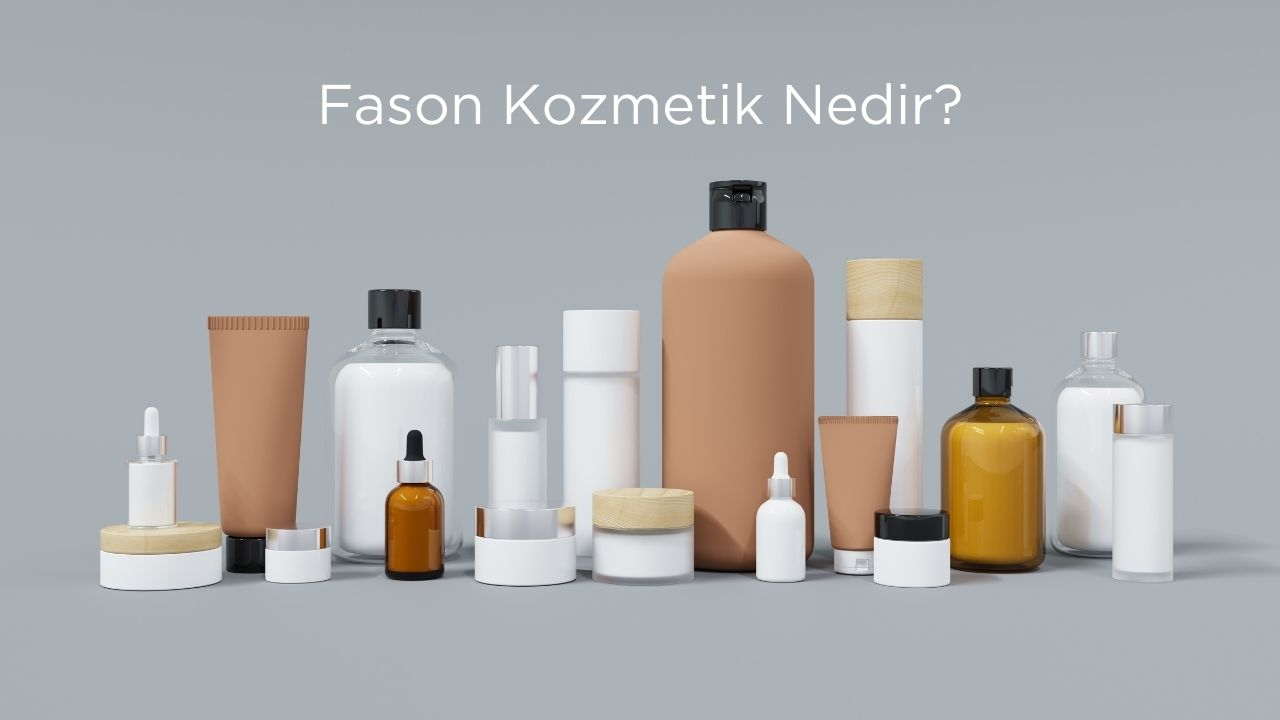
Today, the cosmetics world is changing rapidly, and the concept of contract cosmetics is gaining increasing attention in this field. So, what is contract cosmetic production, and why has it become so popular? In this article, we will explore the features and benefits of contract cosmetic products and also touch on many important topics ranging from the production process to brand collaborations. If you want to learn about innovations and opportunities in this dynamic sector, you are in the right place! If you’re ready, let’s dive into the world of contract cosmetics together.
What Is Contract Cosmetics?
Contract cosmetics are cosmetic products produced by another manufacturer to be sold under a brand’s own name. This method allows brands to outsource the burden of the production process while bringing their products to market. Contract cosmetics offer significant advantages, especially for small and medium-sized enterprises, by reducing costs and enabling rapid market entry. This system also provides the opportunity to increase product diversity.
Contract Manufacturing Process
The contract manufacturing process consists of several stages:
Order: The brand determines its designs and goals and reaches an agreement with the manufacturer.
Formulation: The manufacturer prepares the product formulation in line with the brand’s requirements.
Production: Once the necessary raw materials are procured, the production process begins.
Packaging: The product is packaged with the brand’s logo and labels.
Distribution: The product is directed to the designated sales channels according to the agreement.
Effective management of this process helps ensure timely delivery and high-quality products.
Types of Contract Cosmetics
Contract cosmetic products can be divided into various categories. Here are the most common types:
Skincare products: Moisturizers, serums, and sunscreens.
Makeup products: Application products such as foundation, lipstick, and mascara.
Hair care products: Shampoos, conditioners, and masks.
Perfumes: Perfumes produced with unique fragrance designs.
Each type makes it easier for brands to reach their target audience and meet market needs. This variety also allows brands to appeal to different customer segments.
Features of Contract Cosmetics
Contract cosmetics stand out with many advantages such as quality, customization, and production flexibility. Below, we examine the core features of contract cosmetics in detail.
High Quality Control
Quality control processes are of great importance in contract cosmetic production. This process includes:
Raw Material Quality: Ensuring that only high-quality raw materials are used.
Production Stage: Meticulous inspections are carried out at every stage, standardizing products.
Final Product Testing: Products undergo dermatological and clinical tests before being released to the market.
Custom Formulation Options
Contract cosmetics provide the opportunity to offer customized formulation options tailored to brand needs. These include:
Customer-Specific Formulations: Each brand can select special ingredients for its target audience.
Natural and Organic Options: Eco-friendly formulations are prioritized in line with consumer demand.
Different Textures and Fragrances: Various texture and fragrance options enhance user experience.
Flexible Production Capacity
Contract cosmetic production offers flexible production capacity. Its advantages include:
Small and Large Batch Production: Production can be carried out in both small and large quantities, offering flexibility to brands.
Fast Market Entry: Enables new products to be launched in a short time.
Innovation and Adaptability: Ability to quickly adjust production according to new trends and demands.
These features clearly demonstrate why contract cosmetics are preferred by many brands. With a high-quality, customizable, and flexible production process, brands can better reach their target audiences.
Advantages of Contract Cosmetics
Cost Efficiency
Contract cosmetic production offers significant cost advantages to brands, including:
Lower Production Costs: Large-scale production reduces per-unit costs.
High Quality at Low Prices: Combining quality raw materials with competitive pricing creates a strong competitive advantage.
Reduced Investment Risk: Brands reduce financial risks by using existing production facilities instead of investing in their own.
Time Management
Another key advantage of contract cosmetic production is effective time management:
Fast Production Process: Experienced manufacturers can produce large quantities quickly.
New Product Development: Brands can develop new products in response to rapidly changing market demands.
Market Entry: Faster launches help brands increase their market share.
Market Adaptation
Contract cosmetics allow brands to adapt quickly to the market. Key benefits include:
Trend Tracking: The ability to respond rapidly to market dynamics keeps brands up to date.
Customization Options: Contract manufacturers enable brands to develop tailored products.
Wide Product Range: With various colors, textures, and formulations, brands can better meet consumer demands.
Contract Cosmetic Production Process
The contract cosmetic production process consists of a carefully planned and implemented series of stages. These stages are essential for enhancing product quality and meeting customer needs.
Raw Material Selection
Raw material selection forms the foundation of quality and product performance. Key considerations include:
Naturalness: Preference for organic and natural ingredients.
Differentiation: Selecting raw materials that ensure product uniqueness.
Certification: Raw materials must have quality certifications.
Production Stages
The main stages of contract cosmetic production include:
| Stage | Description |
|---|---|
| Formula Development | Determining product content and characteristics |
| Mixing | Blending selected raw materials in appropriate ratios |
| Filling | Filling prepared products into packaging |
| Quality Control | Testing and approving product quality |
Packaging and Labeling
Packaging and labeling play a crucial role in the marketing phase. Important considerations include:
Design: Attractive designs aligned with brand identity.
Information: Clear presentation of ingredients, usage, and other details.
Sustainability: Use of eco-friendly packaging materials.
Contract Cosmetic Methods
Contract cosmetics include various methods used in the production of beauty and personal care products. These methods are tailored to brand needs and designed to achieve effective results.
Custom Formula Development
Custom formulations allow brands to develop products suited to their requirements and target audiences. Key considerations include:
Ingredient Analysis: Identifying effective ingredients.
Laboratory Testing: Testing formulation safety and efficacy.
Packaging Design: Packaging options that enhance market visibility.
Brand Collaborations
Brand collaborations hold a significant place in contract cosmetics. Benefits include:
Increased Market Share: Reaching a wider customer base.
Resource Sharing: Sharing R&D and marketing costs.
Innovation: Developing innovative products through joint projects.
Domestic and International Suppliers
Working with both domestic and international suppliers can be an effective strategy. Considerations include:
| Supplier Type | Advantages | Disadvantages |
|---|---|---|
| Domestic Suppliers | Local market knowledge | Limited product variety |
| International Suppliers | Wide product range | Higher import costs |
Contract Cosmetics and Brand Collaborations
Contract cosmetic production creates significant collaboration opportunities for brands, driving sectoral transformation while meeting consumer needs.
Opportunities for Small Brands
Small brands benefit from contract cosmetics through:
Lower Costs: Reduced expenses without owning production facilities.
Fast Market Entry: Accelerated product development.
Flexibility: Ability to quickly shift between product categories.
Strategies of Large Brands
Large brands gain strategic advantages through contract cosmetics:
New Product Development: Faster product launches.
Global Distribution: Expanded global reach.
Cost Management: More efficient production cost control.
Examples of Successful Collaborations
| Brand | Contract Manufacturer | Product Category |
|---|---|---|
| Sample Brand A | Manufacturer A | Skincare Products |
| Sample Brand B | Manufacturer B | Makeup Products |
| Sample Brand C | Manufacturer C | Perfume |
Target Audience Identification
Identifying the target audience is critical for success in the contract cosmetics sector.
Market Research
Market research includes:
Competitive Analysis: Analyzing competitors’ target audiences.
Market Trends: Monitoring industry trends.
| Research Type | Purpose |
|---|---|
| Consumer Surveys | Understanding needs and preferences |
| Focus Groups | Collecting in-depth feedback |
Consumer Demand Analysis
Product Features: Organic, cruelty-free, etc.
Price Sensitivity: Consumer price expectations.
Demographic Factors
Age: Younger audiences may prefer innovative products.
Gender: Product lines tailored to different genders.
Income Level: Pricing aligned with income levels.
Future of Contract Cosmetic Production
The contract cosmetics sector continues to evolve with changing consumer needs.
Sustainability Trends
Increased use of natural and organic ingredients
Recyclable packaging materials
Energy-efficient production methods
Technological Innovations
Automation and robotics
Data analytics for personalization
Digital platforms for process management
Global Market Growth
| Reason | Description |
|---|---|
| High demand | Rising interest in customized products |
| Lower costs | Technological advancements |
| Market expansion | Global reach via online sales |
Areas of Use for Contract Cosmetics
Contract cosmetics cover a wide range of applications.
Cosmetic Products
Lipsticks: Various colors and textures
Foundations: Different coverage levels
Mascaras: Multiple formulations for eye makeup
Skincare Products
Moisturizers: For different skin types
Serums: Targeted skin solutions
Peeling Products: Skin renewal and freshness
Perfumes and Accessories
Perfumes: Unique personal fragrances
Body Sprays: Light daily-use options
Applicators: Tools simplifying makeup application
Key Considerations in Contract Cosmetic Production
Legal Regulations
Product registration
Production and sales permits
Proper labeling compliance
Reliable Suppliers
High-quality raw materials
Production continuity
Competitive pricing
Quality Standards
| Quality Element | Description |
|---|---|
| Raw Materials | Types and properties used |
| Production Process | Compliance with GMP |
| Final Product Control | Quality checks on finished goods |
Consumer and Contract Cosmetics Relationship
Consumer Expectations
Quality
Competitive pricing
Sustainability
Product diversity
Role of Contract Cosmetic Companies
| Service | Description |
|---|---|
| Product Development | Custom formulations |
| Packaging Design | Functional and attractive designs |
| Quality Control | Ensuring standards compliance |
Brand Loyalty
Consistent quality
Effective customer service
Continuous innovation
Competition in the Contract Cosmetics Market
Market Analysis
Growth rate: 15% increase (2020–2023)
Target audience: Young adults and women
Rising demand for natural and organic products
Competitive Strategies
Cost leadership
Quality improvement
Fast delivery
Differentiation Methods
Custom formulations
Brand collaborations
Influencer and social media marketing
Frequently Asked Questions
What is contract cosmetics?
Contract cosmetics are cosmetic products sold under a brand’s name but manufactured by another company.
What are the advantages of contract cosmetic products?
Lower costs, faster market response, and the ability to offer high-quality products at competitive prices.
How is quality ensured in contract cosmetics?
Through strict quality control, raw material testing, and continuous communication with manufacturers.
What should I consider when choosing contract cosmetics?
Brand reliability, ingredient transparency, production quality, and customer reviews.
Are there any side effects of contract cosmetic products?
Generally minimal, but skin testing is recommended due to individual sensitivities.


