











Why Is Contract Cosmetic Manufacturing Important?
Table of Contents
- What Is Contract Cosmetics?
- Contract Cosmetic Manufacturing Process
- Advantages of Contract Cosmetic Manufacturing
- Relationship Between Market Demand and Contract Manufacturing
- Quality Control Processes
- Ethical and Sustainability Dimensions of Contract Cosmetic Manufacturing
- Marketing and Brand Strategies
- Legal Aspects of Contract Cosmetic Manufacturing
- Target Audience Analysis
- Innovation and R&D in Contract Cosmetic Manufacturing
- Competitive Analysis in Contract Cosmetic Manufacturing
- Trends in Contract Cosmetic Manufacturing
- Profitability Strategies in Contract Manufacturing
- Frequently Asked Questions
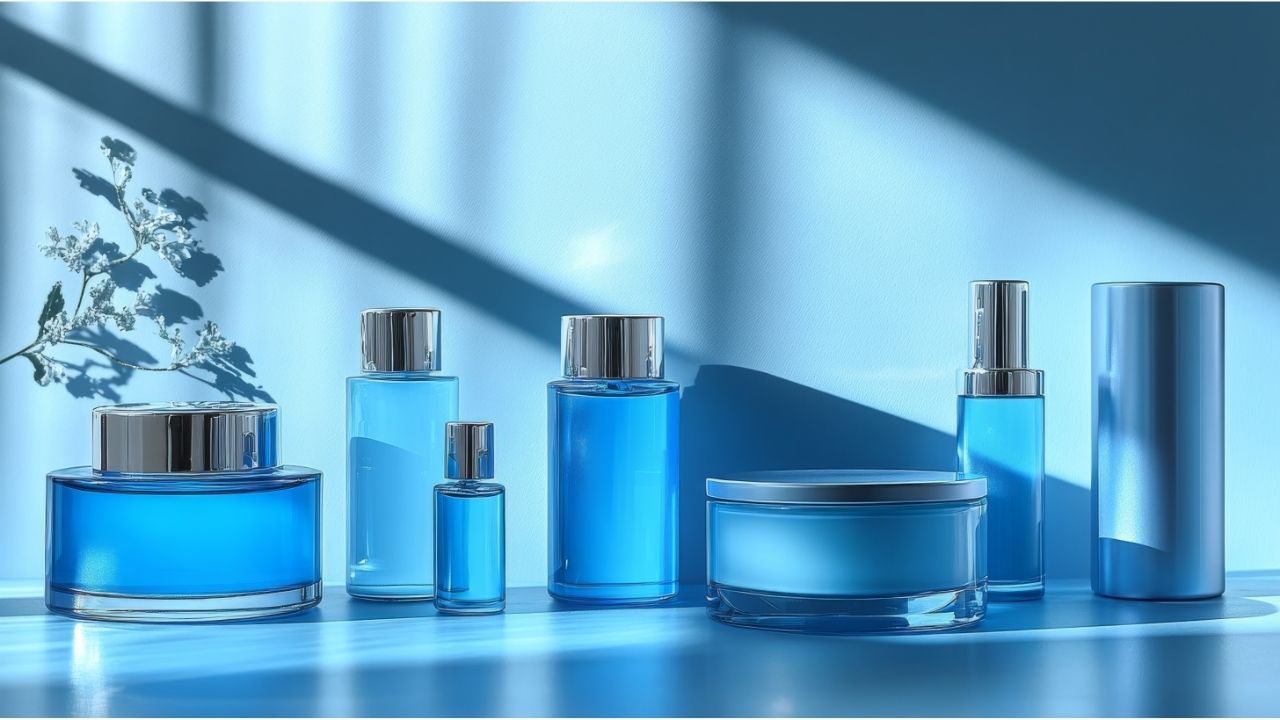
The contract cosmetics sector has become a dynamic component of today’s beauty industry. Increasing demand and diversifying customer needs are pushing brands toward alternative production methods. This is exactly where Contract Cosmetic Manufacturing comes into play. In this article, we provide detailed information on what contract cosmetics are, their advantages, and how this production model relates to market demand. In addition, we examine critical topics such as quality control processes, ethics, and sustainability, exploring the role contract manufacturing plays in the industry. By informing readers about innovations and strategic approaches in this field, we aim to present ways to evaluate competitive advantages within the sector.
What Is Contract Cosmetics?
Definition of Contract Manufacturing
Contract cosmetics refer to a system in which brands outsource the production of their cosmetic products to a third-party manufacturer instead of producing them in-house. In this method, the brand determines the product formulation and design, while the majority of the production process is carried out by the contract manufacturer. This allows brands to increase quality and product variety while avoiding high investment costs.
The main characteristics of contract cosmetic manufacturing include:
Cost Efficiency: With low investment requirements, brand owners can leave the production process to professionals.
Time Savings: Brands can focus solely on marketing and sales without dealing with production operations.
Expertise: Contract manufacturers follow the latest industry innovations and deliver high-quality products.
Contract Cosmetic Manufacturing Process
The contract cosmetic manufacturing process consists of several stages:
Planning: The brand defines production goals and product specifications.
Formula Development: The manufacturer develops a custom formula according to the brand’s requirements.
Production: Products are manufactured based on the approved formula and designs.
Quality Control: Product quality is tested during and after production.
Packaging and Distribution: Products are packaged according to brand requirements and delivered to customers.
| Stage | Description |
|---|---|
| Planning | Defining production goals |
| Formula Development | Creating a custom product formulation |
| Production | Manufacturing the products |
| Quality Control | Ensuring product quality |
| Packaging and Distribution | Packaging and shipment process |
Thus, contract cosmetic manufacturing offers an efficient and practical solution for brands while enhancing the industry’s overall dynamism.
Advantages of Contract Cosmetic Manufacturing
Contract cosmetic manufacturing provides brands with multiple advantages that help them stand out in the market.
Cost Efficiency
Through contract manufacturing, brands can reduce costs and utilize resources more efficiently:
Lower Operational Costs: Working with manufacturers that already have production facilities eliminates the need for heavy investments.
Flexible Production Capacity: Production volume can easily be adjusted based on demand, minimizing excess inventory costs.
Cost-Effective Raw Materials: Contract manufacturers often purchase raw materials in bulk, reducing overall costs.
Custom Formula Development Opportunities
Contract manufacturing enables brands to develop customized formulations, helping them differentiate themselves in the market:
Brand Identity: Customized formulas allow brands to offer unique and distinctive products.
Target Audience Alignment: Tailored formulations increase customer satisfaction by addressing specific needs.
Competitive Advantage: Rare or entirely new products help brands stand out from competitors.
These advantages allow brands to manage costs effectively while strengthening their market position.
Relationship Between Market Demand and Contract Manufacturing
Overview of the Cosmetics Market
The cosmetics sector has grown rapidly over the years. The global cosmetics market continues to expand due to increasing demand for variety and innovation. As of 2023, demand for cosmetic products has been steadily rising worldwide, driven by consumers’ preference for higher-quality, natural, and effective products.
Key factors include:
Conscious Consumers: Increased focus on health and skincare.
New Trends: Rising demand for organic and vegan products.
Product Diversity: Expansion of product ranges and personalization options.
Increasing Demand for Contract Manufacturing
This market vitality presents significant opportunities for Contract Cosmetic Manufacturing. Brands are turning to contract production to avoid high costs and respond quickly to market demands.
| Factor | Traditional Manufacturing | Contract Manufacturing |
|---|---|---|
| Cost | High | Low |
| Flexibility | Low | High |
| Product Variety | Limited | Wide |
| Time to Market | Long | Short |
| R&D Investment | Mandatory | Optional |
This comparison clearly demonstrates the advantages of contract manufacturing, enabling brands to launch innovative, trend-driven products rapidly.
Quality Control Processes
Why Is Product Quality Important?
Product quality is critical in contract cosmetic manufacturing for both producers and consumers. High-quality products increase customer satisfaction and strengthen brand loyalty. Poor quality can result in:
Loss of consumer trust
Damage to brand reputation
Increased returns and refund requests
Since cosmetic products come into direct contact with skin, safety and dermatological testing are vital for consumer health.
Quality Assurance in Contract Manufacturing
To ensure quality, contract cosmetic manufacturers implement various standards and procedures:
| Process | Description |
|---|---|
| Material Selection | Use of high-quality raw materials |
| Production Procedures | Compliance with standardized production processes |
| Testing and Control | pH, stability, allergy, and safety tests |
| Certification | International quality certifications (ISO, GMP) |
| Customer Feedback | Continuous improvement based on feedback |
These processes ensure reliability and competitive advantage in the market.
Ethical and Sustainability Dimensions of Contract Cosmetic Manufacturing
Sustainable Production Principles
Contract cosmetic manufacturing emphasizes sustainability to reduce environmental impact:
Natural and Organic Materials: Environmentally friendly and health-safe ingredients
Minimal Waste Production: Waste reduction and recycling practices
Energy Efficiency: Use of renewable energy sources
| Sustainability Element | Description |
|---|---|
| Material Selection | Natural, chemical-free materials |
| Energy Usage | Renewable energy sources |
| Waste Management | Recycling and waste reduction strategies |
Ethical Considerations in Contract Manufacturing
Ethical aspects must also be addressed:
Employee Rights: Fair wages and safe working conditions
Animal Testing: Preference for cruelty-free testing methods
Transparency: Clear disclosure of product ingredients
Ethics and sustainability are integral to contract cosmetic manufacturing, enhancing consumer trust and benefiting society and the environment.
Marketing and Brand Strategies
Brand Building Through Contract Manufacturing
Contract cosmetic manufacturing enables brands to differentiate themselves:
Unique Formulations: Customized products
Cost Advantages: Competitive pricing
Time Efficiency: Faster market entry
Transparency and ethical practices further increase brand trust.
Importance of Marketing Strategies
Effective marketing strategies are essential for success:
| Strategy Type | Advantages |
|---|---|
| Target Audience Definition | More effective communication |
| Digital Marketing | Wider audience reach |
| Content Marketing | Increased credibility and loyalty |
Legal Aspects of Contract Cosmetic Manufacturing
Legal Requirements
Contract cosmetic manufacturing is subject to regulations:
Registration and licensing
Product safety compliance
Proper labeling
Mandatory laboratory testing
International Standards
| Standard | Description |
|---|---|
| ISO 22716 | Good Manufacturing Practices for cosmetics |
| EC No 1223/2009 | EU cosmetics regulation |
| FDA Regulations | U.S. cosmetic safety standards |
Compliance ensures legal security and market competitiveness.
Target Audience Analysis
Target Audience Identification Methods
| Method | Description |
|---|---|
| Demographic Analysis | Age, gender, income |
| Psychographic Analysis | Lifestyle, values, interests |
| Behavioral Analysis | Shopping habits and brand loyalty |
Reaching the Target Audience
Social media marketing
Influencer collaborations
Email marketing
Innovation and R&D in Contract Cosmetic Manufacturing
New Product Development Processes
Market research
Concept development
Prototype preparation
Product testing
Innovative Formulations
Natural and organic ingredients
Technological innovations (anti-aging, UV protection)
Targeted solutions (acne-prone, anti-aging products)
R&D investments are crucial for keeping up with evolving beauty trends.
Competitive Analysis in Contract Cosmetic Manufacturing
Competitor Analysis Methods
SWOT analysis
Market research
Social media monitoring
Market Positioning
| Element | Description |
|---|---|
| Target Audience | Demographic and psychographic traits |
| Competitor Positioning | Value propositions |
| Pricing Strategies | Competitive pricing |
| Product Diversity | Differentiation |
Trends in Contract Cosmetic Manufacturing
Expected Trends in 2024
Personalized products
Natural and organic ingredients
Sustainable packaging
Industry Innovations
| Innovation | Description |
|---|---|
| Digitalization | Automation systems |
| Artificial Intelligence | Data-driven product development |
| Minimalist Formulations | Fewer, more effective ingredients |
| Ethical Manufacturing | Worker and environmental responsibility |
Profitability Strategies in Contract Manufacturing
Profitable Manufacturing Strategies
Target market analysis
Product diversification
Strategic partnerships
Digital marketing
Cost Management and Pricing
| Cost Item | Description |
|---|---|
| Raw Materials | Quality-based optimization |
| Labor | Efficiency improvement |
| Logistics | Cost-effective partners |
| Marketing | Targeted campaigns |
“Proper pricing is one of the most important factors that differentiates your products from competitors.”
Frequently Asked Questions
What is contract cosmetic manufacturing?
It is a production system where cosmetic products are manufactured by a third-party company based on a brand’s specifications.
What are the advantages of contract cosmetic manufacturing?
Lower costs, faster product development, and access to professional expertise.
Is contract manufacturing suitable for starting my own cosmetic brand?
Yes, it reduces initial investment and provides professional production support.
What should be considered in contract cosmetic manufacturing?
Manufacturer quality, certifications, product safety, and clear communication.
How does contract cosmetic manufacturing impact sustainability?
It can enhance resource efficiency and support eco-friendly practices if sustainable manufacturers are chosen.


